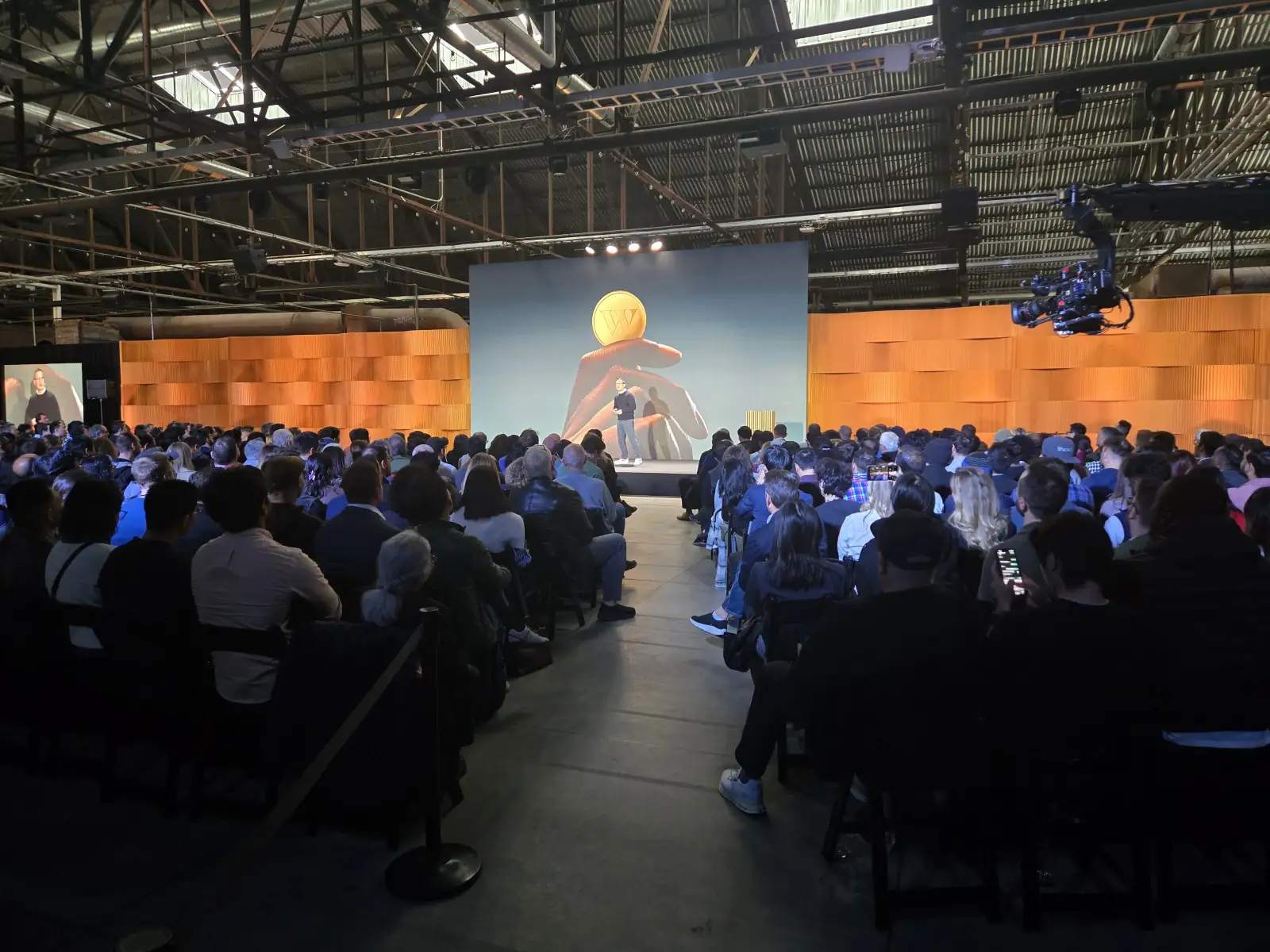
A full seated audience faces the Wealthsimple stage in a timber-and-steel hall: a large LED screen, folded orange scenic walls, side screens, and a camera on a remote arm.

Wealthsimple · Toronto

For experiential, marketing, and event management agencies

Your agency team, from pitch to delivery.

Bring your client, your brief, and the parts you need covered. SW brings a dedicated team for the preparation, design, content, software, and production behind it, ready to go where the project takes you.

Your client relationship stays with you. Confidentiality, client-facing roles, and public credits are agreed before work starts.

A Complete Team Behind Your Next Client Promise

Some briefs need a technical team for an approved design. Others need site visits, drawings, a pitch visualization, content, an application, and the people who can bring those pieces together on site.

Bring SW in for the whole production or for the gap your team needs filled. Your producer stays on the client and the campaign. The people preparing the work stay connected to the people building and running it.

SW Event Technology provides the design, software, production technology and crew to carry an agency brief from the first site visit to the final handover.

One brief. One team. Delivered on site.

Your Client. Your Relationship. An Agreed Role for Us.

Agency work needs a clear line around the relationship. Agree who speaks to the client, how the team is introduced, what stays confidential, and what can be photographed, credited, or published.

SW can work behind your agency's name with those boundaries written into the scope. A project does not have to become public marketing material for it to be worth doing well.

Your relationship stays yours. Our job is to make the work land.

The Work Can Be Public While the Agency Relationship Stays Private

See what was built, while keeping the agency relationship out of the public story.

From the First Site Visit to the Final Handover

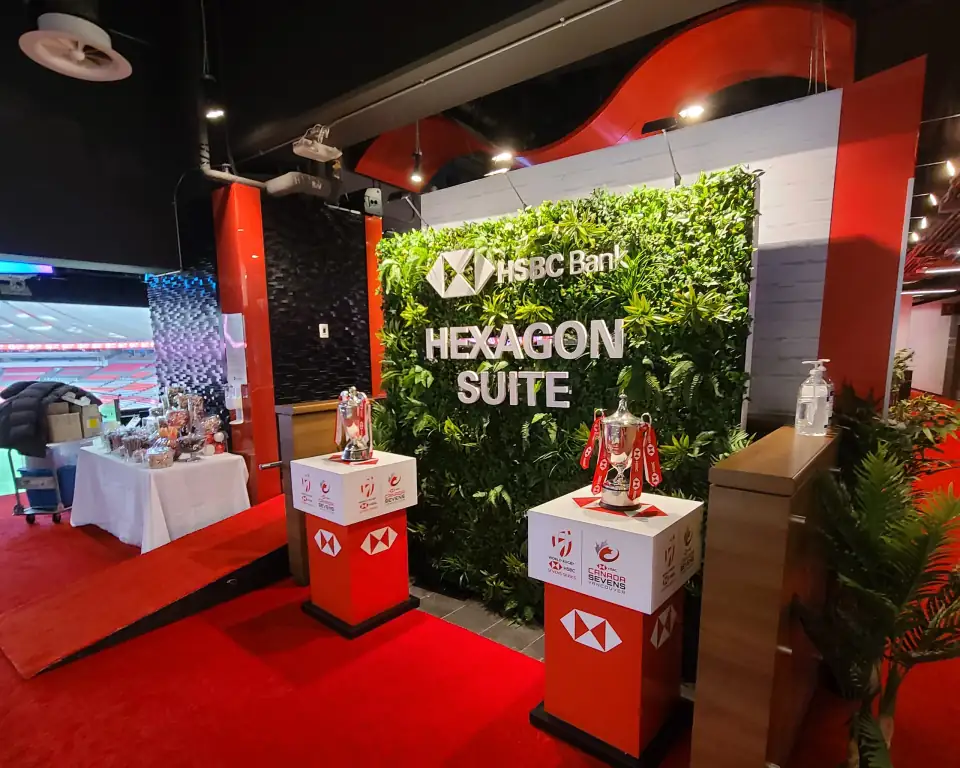
HSBC hospitality suite: a living wall, branded plinths and trophies, red carpet, timber counters, and stadium seats beyond the window.
HSBC Rugby Sevens · hospitality suite
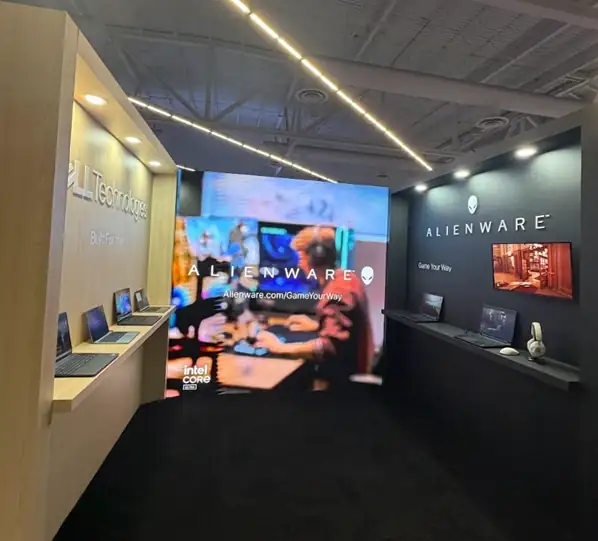
Dell Technologies and Alienware booth with laptop counters, gaming displays, timber walls, and an LED screen.
Dell Technologies / Alienware
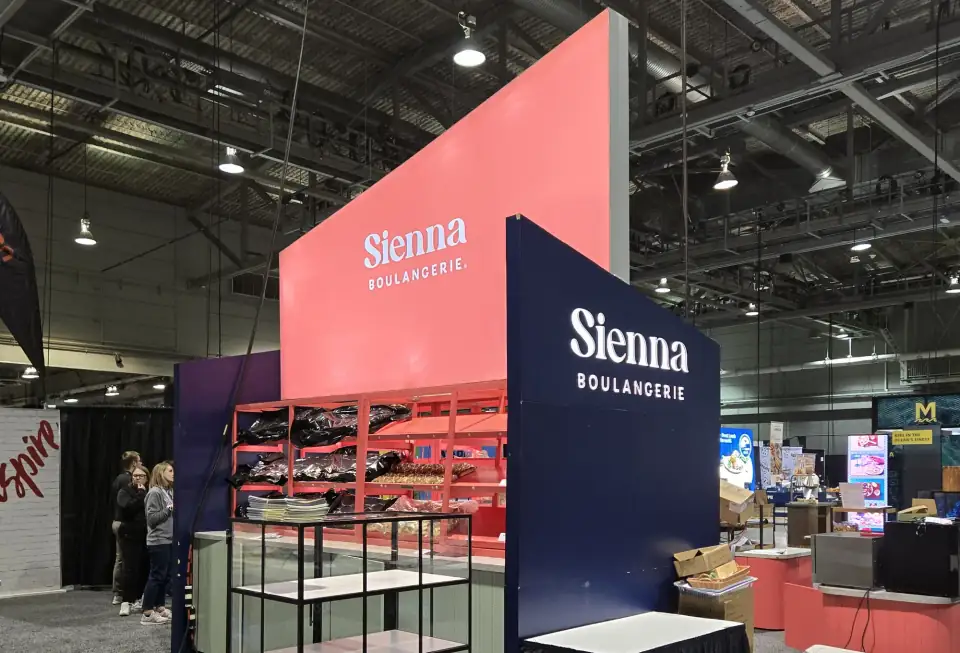
A trade show booth for a bakery on an exhibition hall floor: a tall coral feature wall and a navy wall, both carrying the bakery's name in white lettering, above coral shelving and a serving counter.
Trade show booth · exhibition hall
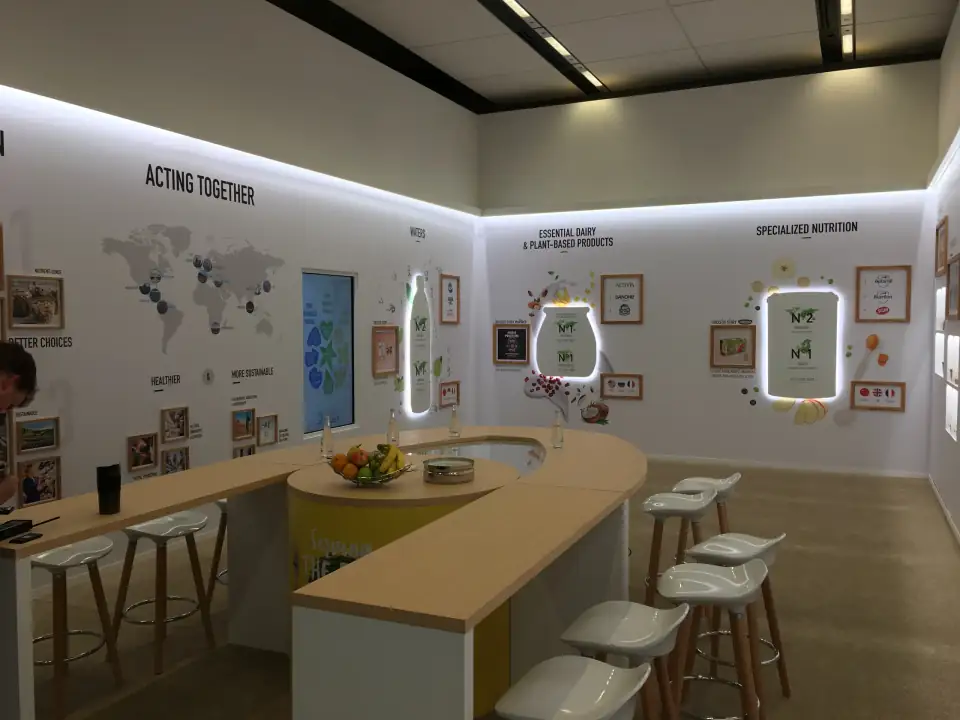
A branded meeting room built for Danone: a curved island table with high white stools, a white wall headed Acting Together with a world map and framed photographs, and backlit product displays under cove lighting.
Danone · built meeting room
Preparation and documentation
Site visits, technical planning, drawings, production documentation, and the information needed to prepare the build
Design and previsualization
Develop the concept, test the layout, and prepare 3D visualization and presentation material with your team
Content and capture
Plan and capture content, record interviews or the event, and prepare graphics, edits, and playback material
Software and web development
Build the application, website, or digital component the project needs, alongside the physical production
Technology and fabrication
Scenic builds, staging, LED, projection, audio, lighting, broadcast, rigging, and power
Deployment and delivery
Prepare the equipment and crew, coordinate the site, and carry the agreed work through load-in, operation, strike, and handover

Ready for the Location in Your Brief

A single venue, a national programme, or an international deployment. Start with the locations and dates, then plan the team, equipment, transport and technical scope around them.

Bring the brief early enough to make those decisions before the client commits to a plan. The same conversation can cover the pre-production, the digital work, and the people who need to be on site.

A Direct Path From Brief to Delivery

  1. Bring the project.

    Share the client requirements, dates, locations, budget context, and the work your team wants covered. State the confidentiality and client-contact boundaries at the start.

  2. Build the plan together.

    Agree the design, documentation, content, software, technology, responsibilities, and costs. Use site visits and previsualization where the brief needs them.

  3. Deploy the team.

    Prepare, build, capture, and run the agreed scope. Carry the documentation and handover through to your agency's next step with the client.

Questions Before You Share a Brief

Can you be part of our team before the pitch is won?

Yes. Bring the idea, site information, and the questions your team needs answered. Design development, previsualization, and technical planning can be scoped before the build.

Do you cover digital work as well as the event technology?

Yes. Content capture, software, applications, and web development can sit alongside the scenic, AV, and on-site production. Put the required outputs in the brief so the scope covers how the pieces work together.

Can the work stay private?

Yes. Agree confidentiality, access to project material, client-facing roles, and publicity at the start. Named references and public case studies are separate decisions from delivering the project.

Can we use only part of the team?

Yes. Bring SW in for a site visit, a design or digital component, a technical package, or the wider production. Set the handovers around the people and suppliers your agency already has.

Can you deploy outside your usual locations?

Bring the destinations and dates. Plan the crew, transport, site requirements, and any local support around the actual project. International work is scoped against the destination's requirements.

Put the Team Behind Your Next Brief

From the first site visit and pitch visualization to the content, application, technology, and crew on site. Bring us the work your agency needs to deliver.

Tell us what needs to stay private and where the project needs to go.