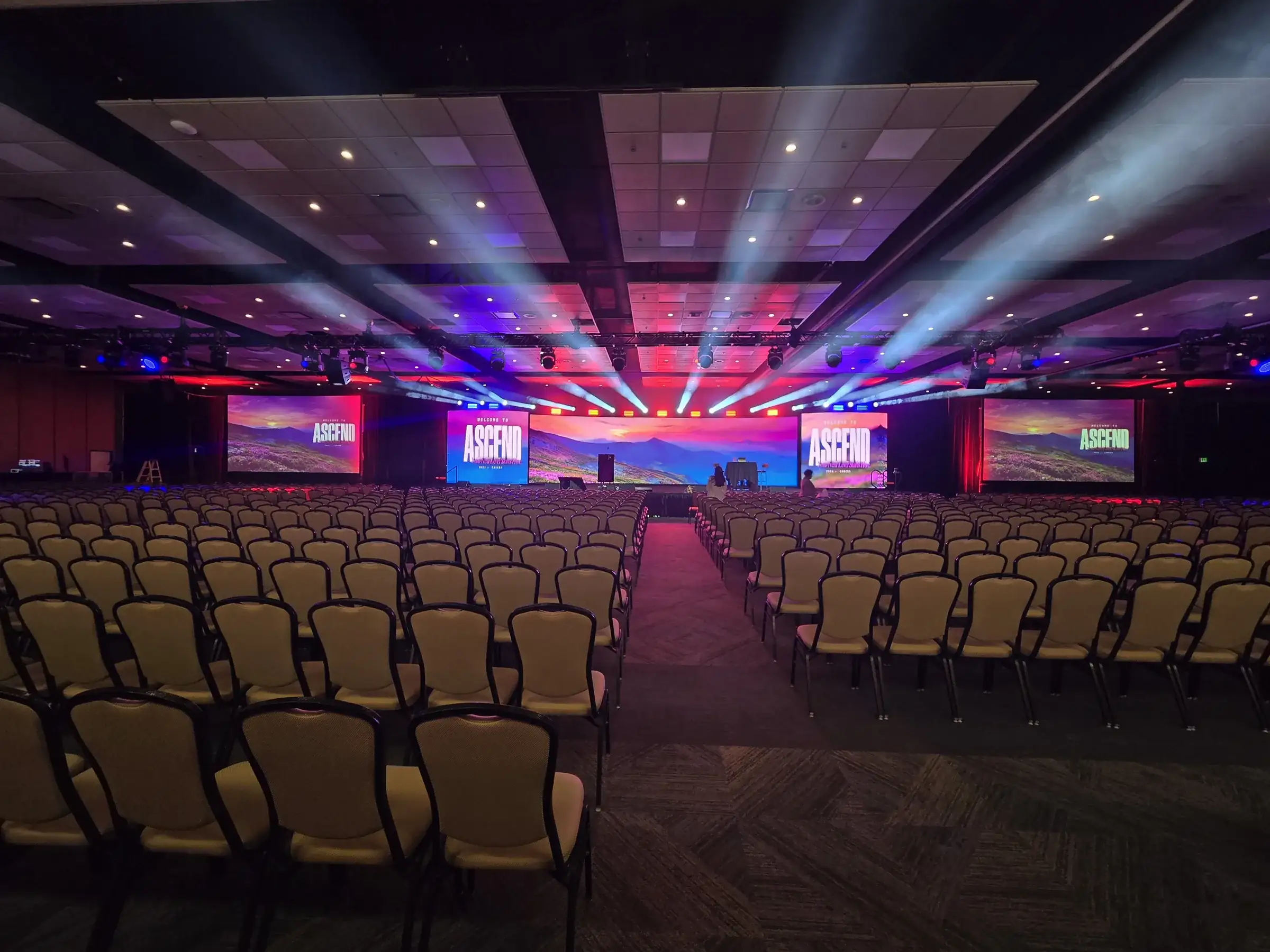
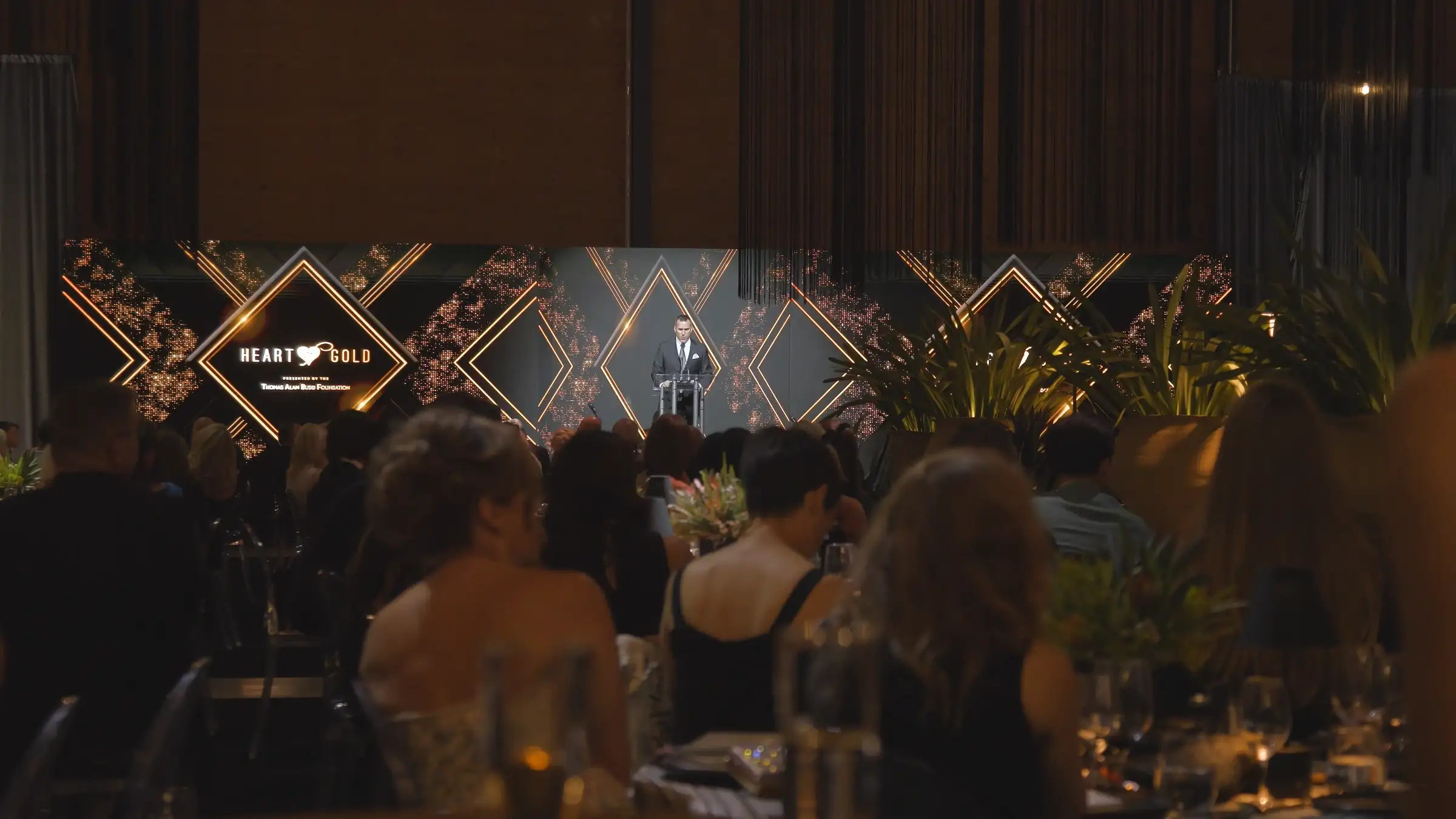
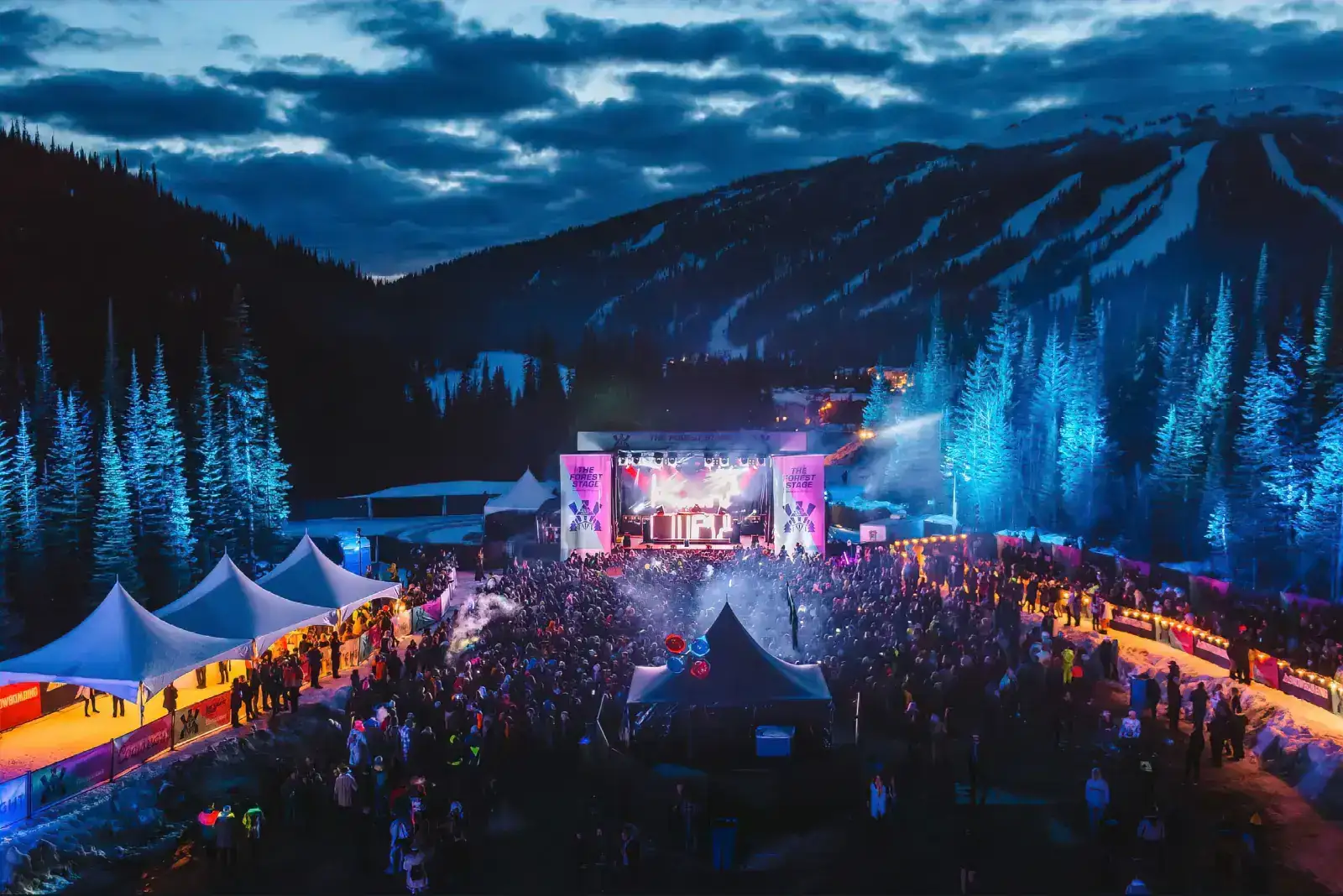
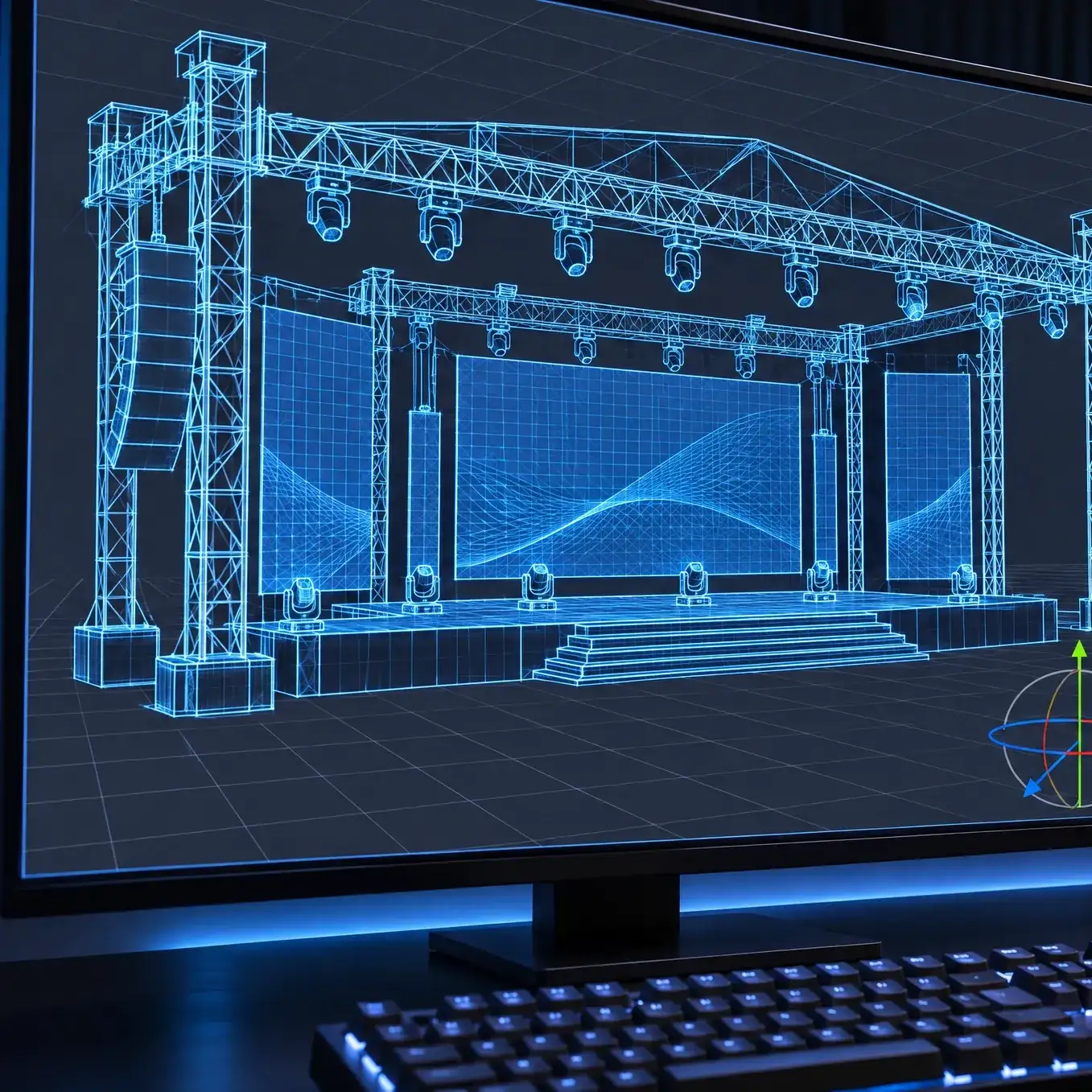
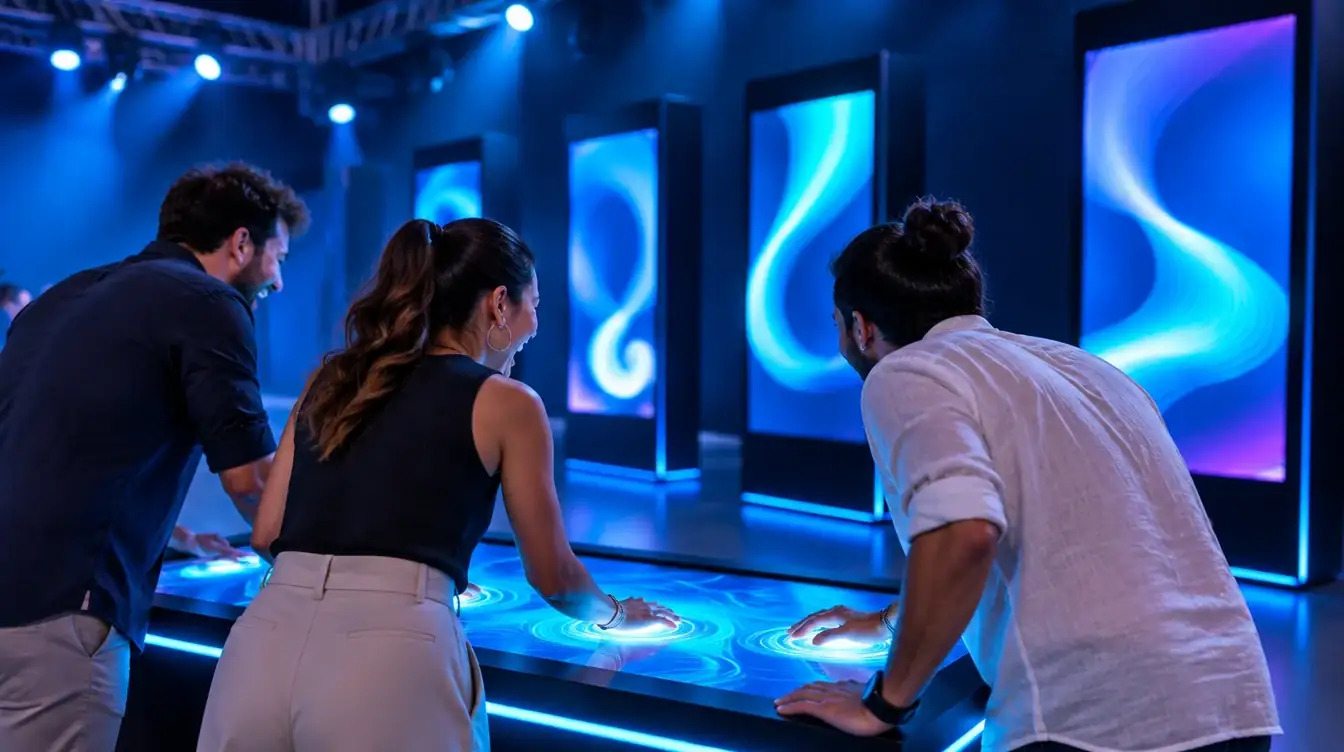
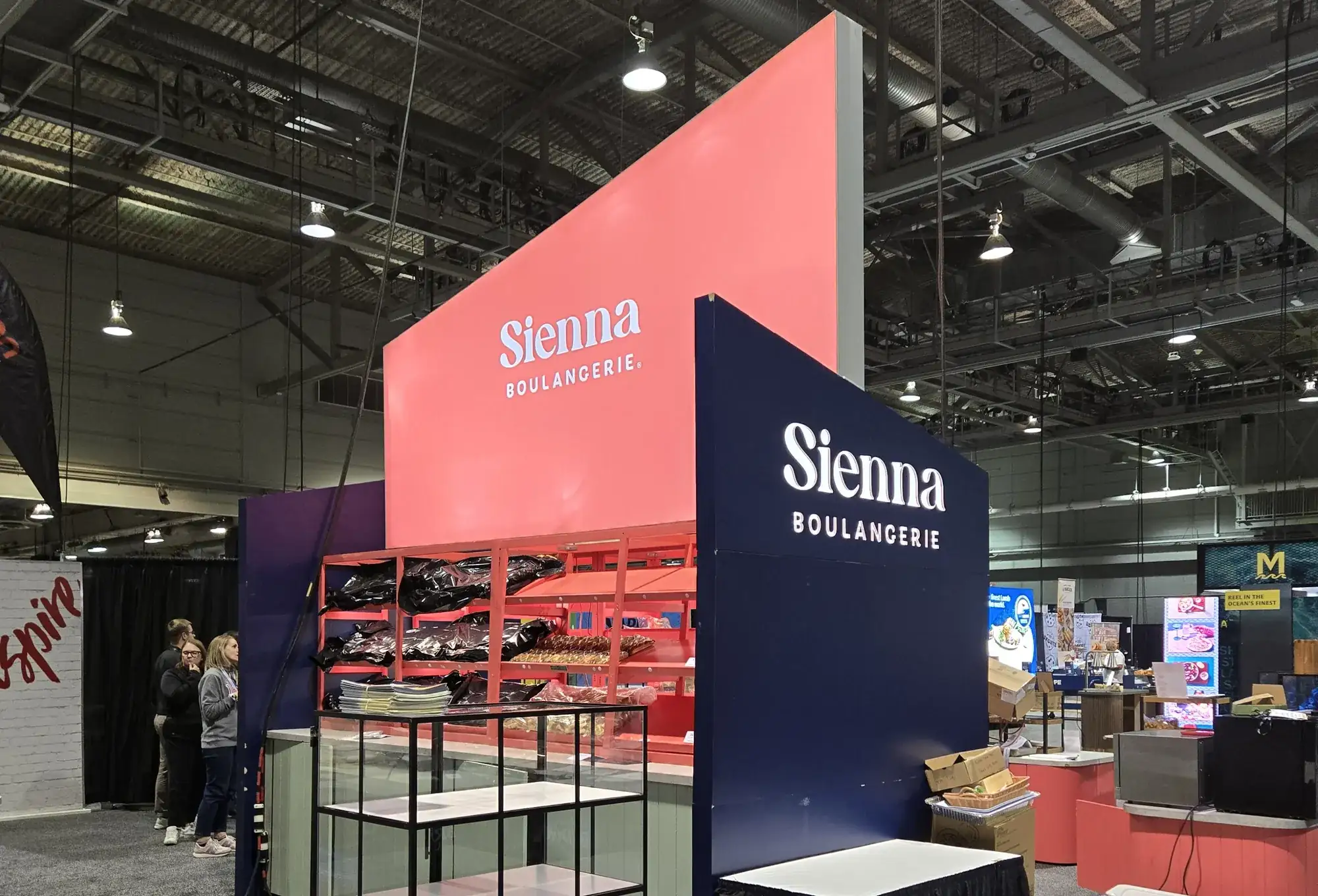
The concepts that fail are rarely the ones that look wrong. They are the ones nobody checked against rigging and physics.
Unbuildable concepts, and it is easier than ever to get carried away now that a convincing image costs almost nothing to make.
What the first concepts usually miss is rigging and physics. Those are specialized skills, and agencies rarely hold them in house, so whether a shape can actually be hung or supported does not get asked until somebody outside the agency asks it.
In a good agency-partner relationship, concepts get bounced off the production partner early, before they go to the client. Once a client has seen a concept, backtracking to something tangible is difficult.
The agency side says the same thing in print
This is not a grievance from the build side of the table. It is a point the creative side concedes.
Guy Tremlett, Chief Creative Officer at the WPP experiential agency Set Creative, wrote in Render vs. Reality that "unrealistic, unbuildable and unsafe creative ideas have long existed in the world of physical events," and that generative AI "may just mean having to navigate through more noise before landing at a realistic idea."
His verdict on the artefact itself is the useful part: while AI generated content "may suffice as an acceptable creative asset for an early stage presentation, it's currently most definitely not of use for the next stage." An image can be good enough to explain an idea and useless as an instruction to build one. Those are different jobs, and the same file gets asked to do both.
The European technical producer ARAM group put the mechanism in one line in Front and Back in 2026: "AI will accept everything. A venue will not." The piece continues that the tool "does not care about ceiling height, rigging capacity, fire regulations, load-in time, power, camera positions, budget logic, or the fact that the hotel ballroom is only available from 10 p.m. the night before."
Physics is written down, which makes it checkable
"It ignores physics" sounds like a matter of opinion until you look at what a build actually has to satisfy.
ESTA's Technical Standards Program publishes the ANSI-accredited standards that govern this work, and they are free to download. Three are directly relevant to the objects that show up floating in renders:
- ANSI E1.2 (2021), design, manufacture and use of aluminum trusses and towers
- ANSI E1.21 (2024), temporary structures used for technical production of outdoor entertainment events
- ANSI ES1.18 (2022), event safety, rigging
A shape with no support path in the render has no compliance path in the room. That turns a vague objection into a specific question with a documented answer, which is a far better conversation to have before the client sees the image.
The honest counterpoint
The tool is not the problem, and a post that says otherwise is wrong.
Event Marketer's 2026 Fab 50 intro, published in 2026, argues the opposite case for the builders themselves: "AI isn't a threat to the craft. It's liberation from everything that isn't the craft." It notes that "the hours once absorbed by renderings, revisions, logistics and client decks are shrinking."
Agencies are using it well too. Anna Mader, SVP and head of creative at XD Agency, told BizBash in August 2025 that her team has "used AI to transform rough mood boards into 4K cinematic motion, elevate the fidelity of early-stage ideas, and remove the friction between vision and execution." Caryn Mambro, Chief Creative Officer at Opus Agency, in the same piece: "We use AI-generated imagery to communicate rough concepts to clients."
Both things are true at once. The drawing room got faster and the intake call got harder. What broke is not the rendering, it is the handoff that never included a feasibility read.
What actually prevents it
One conversation, in the sketch phase, before the concept goes to the client.
It costs the agency nothing to send early work to a production partner for a rigging and physics read. It costs a great deal to withdraw an image the brand has already fallen for. The asymmetry is the whole argument: a concept adjusted before presentation is called design, and the same adjustment afterwards is called backtracking.