The expensive version of this conversation happens after the client has seen the concept.
During the initial sketches, in the design phase, before anything goes to the client. Leaving it later risks the moment nobody wants: a brand being shown something that cannot be built.
A production partner is also worth having at that stage for a gut-check ballpark price. It tells the agency whether a concept sits anywhere near the client's budget, again before the concept has been presented.
The order that causes the damage
The failure is not a missing step. It is a sequence, and it runs the same way almost every time.
ARAM group, a European technical producer, described it in Front and Back in 2026: "First, the creative idea is built. Then the visual is approved, the client gets excited, and everyone starts emotionally committing to the concept. Only after that does someone begin to calculate cost, timing, technical feasibility, venue limitations, logistics, power, rigging, crew, rehearsals, and installation."
The consequence in the same piece is the sentence worth pinning up: "suddenly, instead of improving the idea, everyone is trying to save it."
Saving an idea and improving one are different projects with different budgets. The order of those two steps decides which one you are running.
Where late involvement bites first
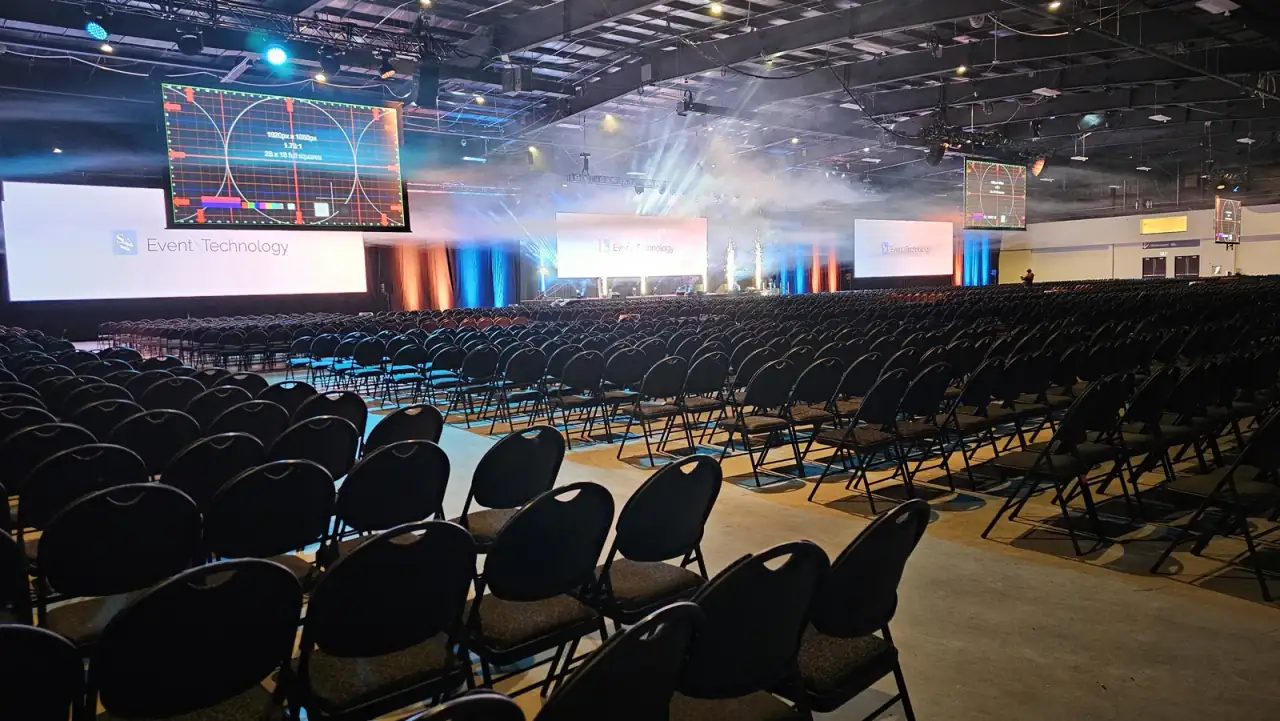
Usually the room, before anything gets built at all.
Eventique, a New York production company, identifies venue selection and technical planning as the most common failure point, because "agencies propose concepts for spaces they haven't visited," and site visits held after contract signing "frequently discover limitations that require concept modifications or additional costs." The constraints it names are the ordinary ones: load-in restrictions, power availability, ceiling heights, and acoustics.
None of those are exotic. All of them are cheap to check and expensive to discover.
The same pattern, described independently
It is worth noting who says this, because the agreement is broad. ARAM in Europe, Eventique and National Event Connection in the United States describe the identical failure sequence from three separate markets. National Event Connection's version: "early collaboration ensures fewer surprises during implementation and helps avoid last-minute changes that can derail timelines or budgets."
All three are production companies making the case for their own earlier involvement, which is exactly what this post is doing, and readers should weigh it accordingly. What the agreement does establish is that this is an industry pattern rather than one shop's complaint.
What a good answer sounds like
When an agency does bring a production partner in early, the useful thing to test is how the partner handles a concept that does not fit the budget. Eventique suggests asking directly how they handle situations where creative concepts exceed budget parameters, and looking for "alternatives and value engineering, not just cost-cutting."
A partner who only says no at the ballpark stage has told you the price of the concept. A partner who says no and offers two routes to the same effect has told you something useful about the next six weeks.
The bottom line
Bring the production partner in at the sketches, before the client sees anything, and ask for two things: whether it can be built, and roughly what it costs.
Both answers are cheap at that point. Neither is cheap once a brand has approved an image.