


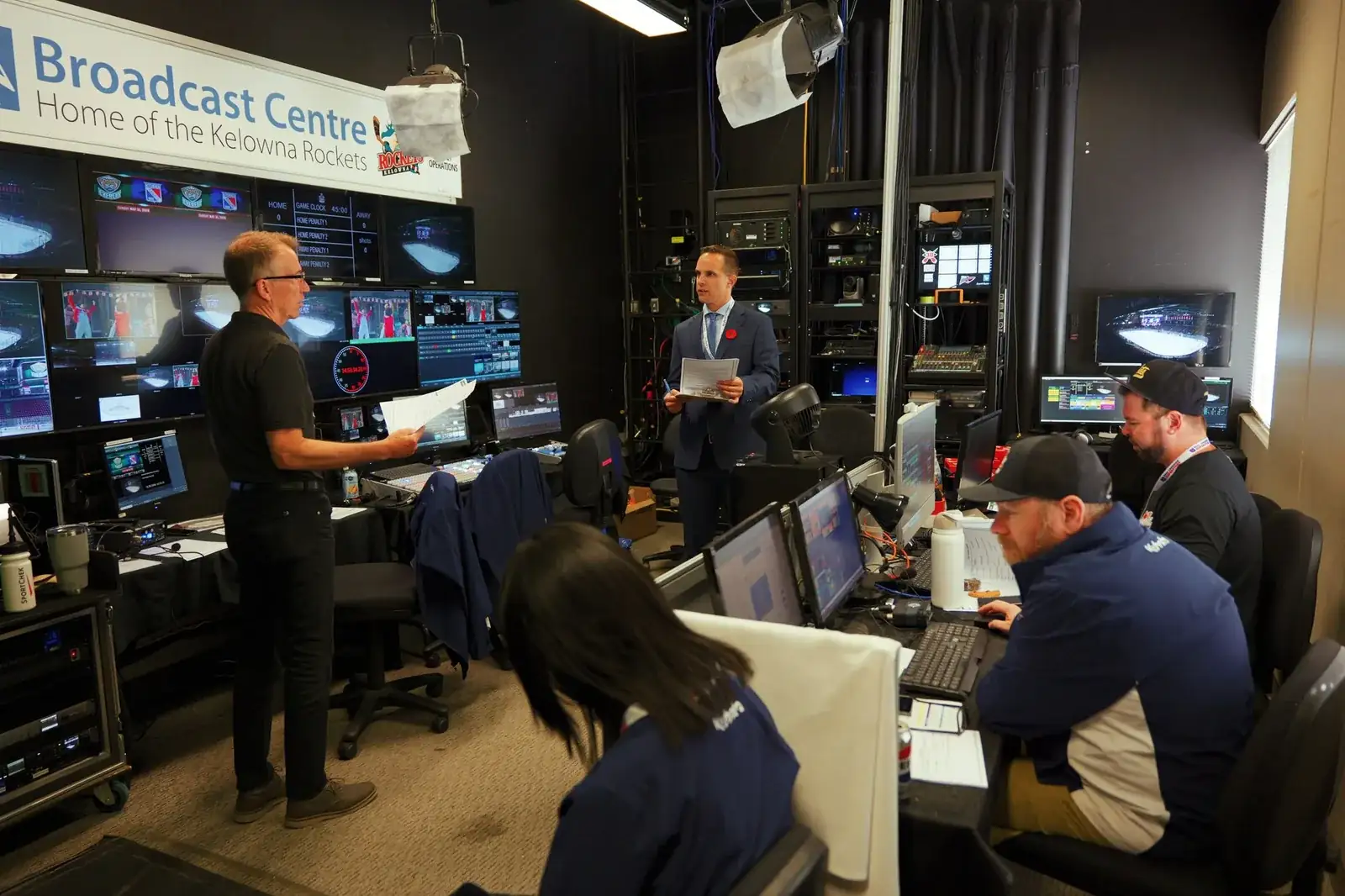
A crew day is not the hours the show is running.
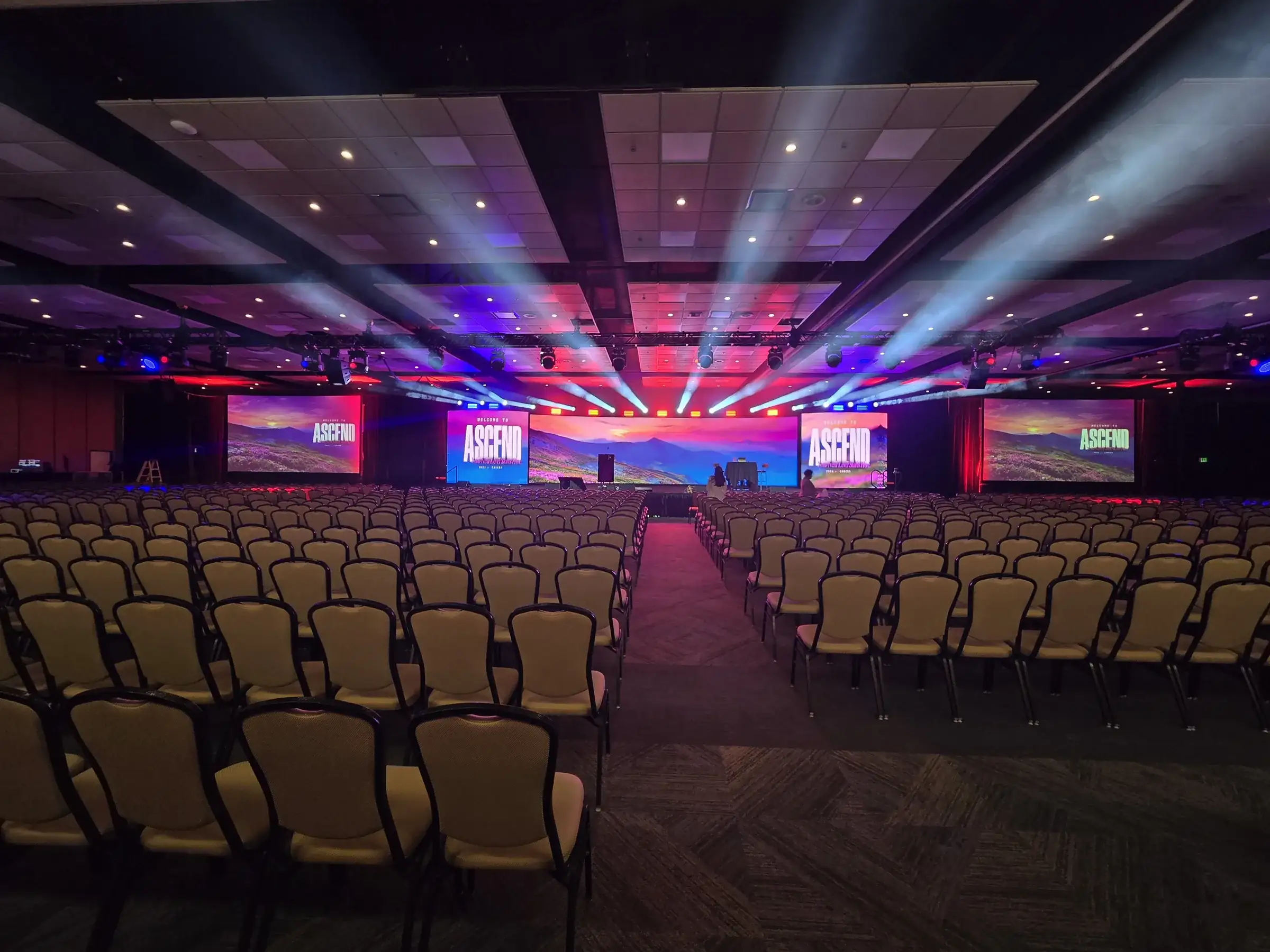
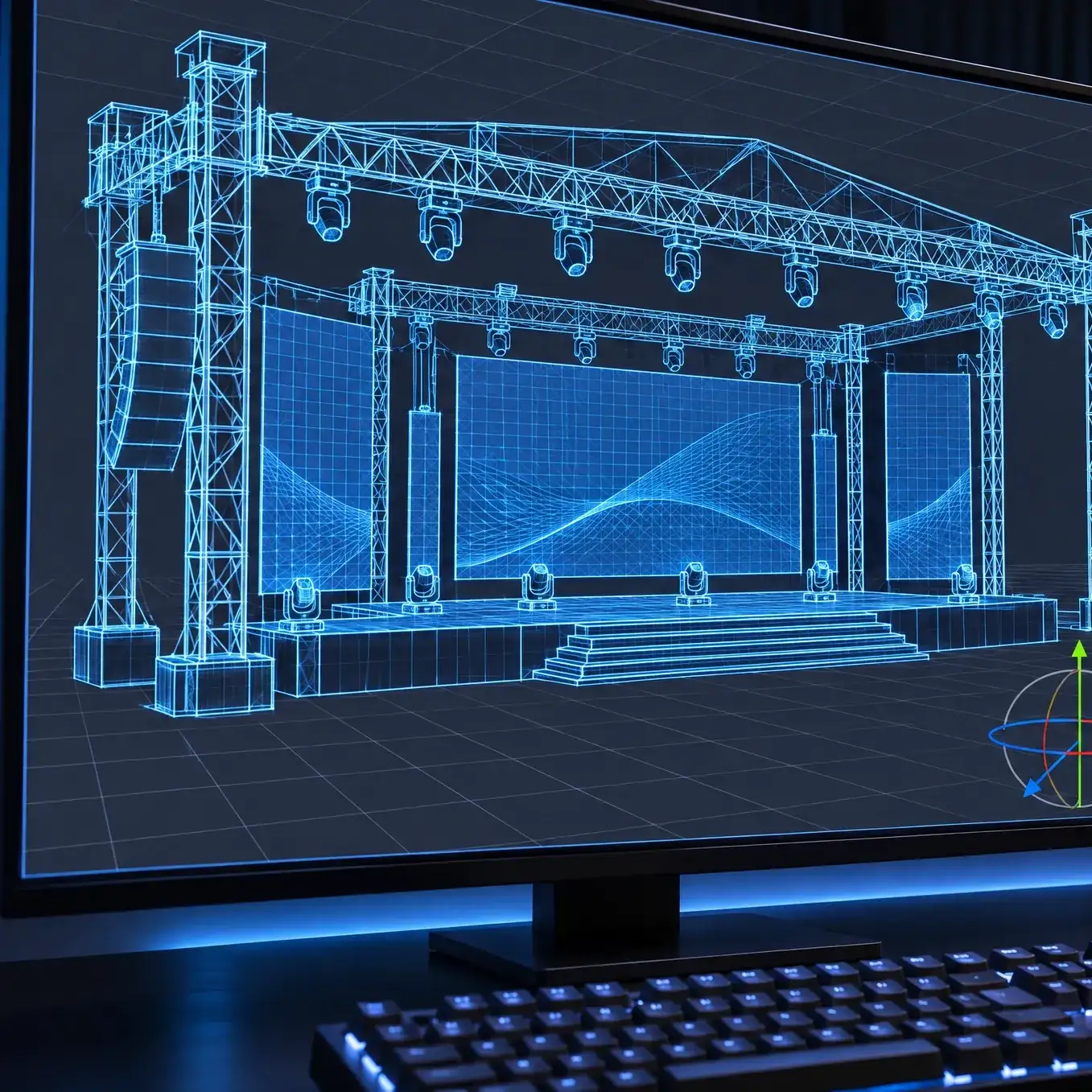
A crew day involves far more than having someone sit behind a console during the presentation. The team’s responsibilities begins before the event, including loading in equipment, setting up the room, testing microphones and presentations, operating the show, troubleshooting if required, and dismantling everything afterward. Crew size and call length depend on the event’s complexity and the number of rooms running at the same time.
What the day actually contains
- Load-in and unloading
- Room setup
- Cable installation
- System testing
- Microphone checks
- Presentation checks
- Rehearsal
- Show operation
- Troubleshooting
- Room resets if required
- Strike and load-out
- Minimum crew call determined by the required workload
- Shift length based on the event schedule
- Additional crew for multiple rooms or concurrent sessions
The published yardstick, and where it comes from
There is a widely used convention you can hold any quote up against. The AV vendor Endless Events, in its glossary of industry terms, states that "10 hours of labor is considered the industry standard for a day rate," that a half day is five hours, that labour bills in five hour increments so an 11 hour event reads as 1.5 labour days, and that a travel day for a technician flown in is charged as a half day rate (Kaitlin Colston, "Major AV Terms You Need to Know," Endless Events, August 2017, updated September 2021). That is a vendor glossary rather than anybody's standard, and it describes the American market, so treat it as a common yardstick and not a rule. It is still useful, because it explains why a quote for a nine hour show day and a quote for a 12 hour show day differ so much for the same equipment.
What the law sets, before any contract
In British Columbia the floor is statutory, and it is stricter than the 10 hour convention suggests. Under the Employment Standards Act, section 40, overtime at time and a half applies after eight hours in a day and after 40 hours in a week, and double time applies after 12 hours in a day (Province of British Columbia, Employment Standards Act Part 4, section 40). Only the first eight hours of a day count toward the weekly 40. Meal breaks are also legislated: section 32 allows no more than five consecutive hours of work without a 30 minute break, and if the worker has to stay available during that break it is paid working time (section 32 interpretation guide). That is the shape of the day, and the reason a 14 hour call and a 10 hour call are not the same event.
Minimum call, and why a short job is not a short bill
Section 34 sets minimum daily pay: a worker who reports for a shift is owed at least two hours of pay even if there is no work to do, and four hours if the shift was scheduled for more than eight (section 34 interpretation guide). Venue and union agreements stack their own minimums on top of that. The Fox Theatre in Atlanta publishes its stagehand general conditions, unusually, and they give every stagehand reporting for a work call a four hour minimum, with an eight hour minimum on a commercial show load in (Fox Theatre Stagehand General Conditions, items 11 and 13, as of January 6, 2022). Those are one Atlanta house's negotiated terms and not British Columbia terms, but they show how the structure reads written down.
Turnaround, and the load out that ends at two in the morning
The gap between calls is a real constraint and not a preference. The Act gives workers eight hours free between shifts and 32 consecutive hours free each week, and requires a split shift to finish within 12 hours of starting (Province of British Columbia, hours of work). Endless Events describes the same problem from the invoice side, listing short turnaround charges when consecutive calls sit less than eight hours apart, the example being a midnight load out into a six in the morning start. There is a safety argument underneath the billing one. The Event Safety Guide notes of tight breakdowns that "working to tight deadlines needs careful planning to avoid a fatigued workforce more prone to physical and mental errors, which can lead to injuries" (The Event Safety Guide v2.0, Event Safety Alliance, 2013, section 27.1.6). WorkSafeBC treats work schedules and fatigue as a hazard in their own right (WorkSafeBC).
Rehearsal is part of the day, and it is the part that gets cut
Rehearsal reads like a luxury on a schedule and it is the hour that protects everything else. Jim Russell, global head of business events services at Maritz, described what it does for the crew: "Rehearsal is also for the production team to get familiar with presenters and slides, entry/exit transitions and timing of music" (Rob Carey, "Setting the Stage: Expert Advice for Affordable, Effective AV and Production," Meetings Today, May 15, 2026). If rehearsal is not on the schedule, it does not disappear. It happens in front of the audience.