


On a small show these can be one person. On a big one, please do not make them.
The easiest way to explain it is: the stage manager looks after what's happening around the stage, the show caller tells everybody what happens next, and the technical director makes sure all the technical pieces actually work together. On a small show we can sometimes combine roles; on a big show, please don't make one poor person try to do all three.
What each role covers
- Stage Manager: Lives around backstage. Gets your speakers where they need to be. Makes sure the next presenter is actually there. Handles entrances and exits. Deals with talent and presenters.
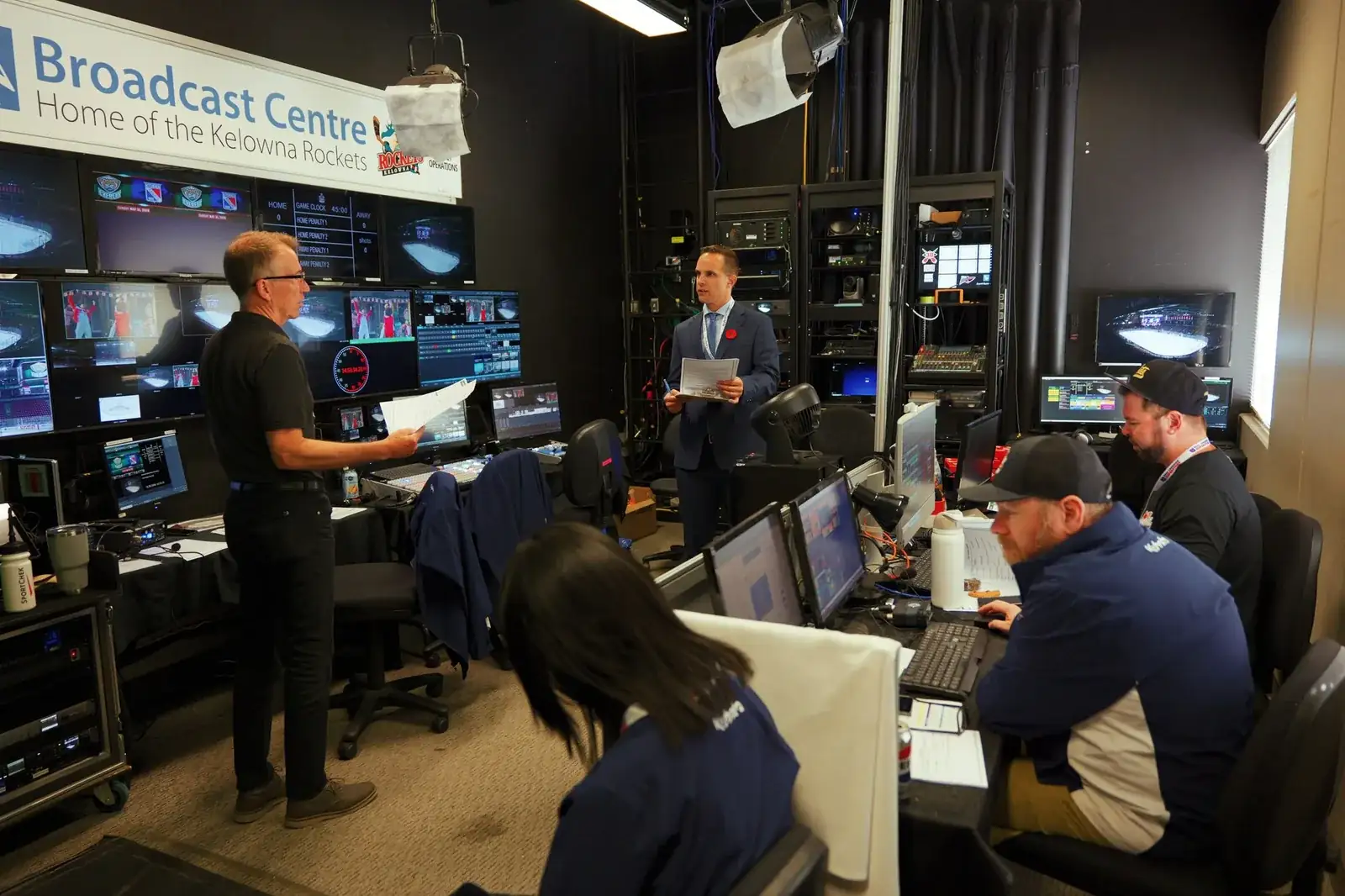
- Show Caller: Has the run of show in front of them. Calls the cues. Video go. Lights go. Walk presenter. Roll video. Keeps everyone moving together.
- Technical Director: Looks after the technical side of the show. Coordinates audio, video, lighting, staging, etc. Makes sure all those departments are talking to each other. Deals with technical problems and decisions.
- Small meeting? We probably don't need three separate people.
- Huge conference with cameras, playback, LED, lighting cues and 30 presenters? Completely different story.
- If SW recommends another show position, ask why. We should be able to tell you exactly what that person is going to do for your event.
- When these roles are working properly, you barely notice them. Everything just happens when it's supposed to.
Where the three titles come from
Corporate events borrowed these roles from theatre, touring, and broadcast, and none of those worlds uses the titles the same way. The trade explainers land in roughly the same place: the show caller cues every element in real time from the booth, the technical director oversees all the technical departments and bridges what the client wants with what the room can actually do, and the stage manager runs performers, speakers, and backstage traffic while holding the schedule (Precon Events, "Understanding the Big 3 Event Production Jobs", undated, with a similar breakdown at MeyerPro, also undated). Both are production company guides rather than an industry standard, so read them as how the market talks, not as a rulebook. Titles shift from company to company, so the useful question is what a person will be doing rather than what they are called.
The run of show is what actually separates them
If you want one clean way to tell the three apart, look at the run of show document. It is built by the planner or producer, reviewed with the AV team and the emcee, and it carries the timings, the cues, the transitions, and an owner for each item (Rundown Studio, "Showcalling 101", undated). The show caller calls from that document. The technical director makes sure every department can execute what it says. The stage manager makes sure the person named in each line is standing in the right place when it comes up. If nobody owns the document, you do not have three roles, you have three people improvising in the same room.
How somebody becomes a show caller
Show callers usually come up through stage management or technical direction, and the technical director role is described as a senior one that takes years across several disciplines (Precon Events, undated). So a recommendation for a dedicated show caller is not a recommendation to add a body to the call. It is a recommendation to add somebody who has already done the other two jobs and knows what goes wrong.
These roles own the crew's day, not just the show
Whoever holds the schedule is also holding everybody's working hours, and in BC those hours have legal shape. Under the Employment Standards Act, section 32, nobody works more than five consecutive hours without a 30-minute meal break, and if they have to stay available during it, it is paid time. Section 40 sets time-and-a-half after eight hours in a day, double time after 12 hours in a day, and time-and-a-half after 40 hours in a week (Employment Standards Act, BC Laws). A 10-hour crew day is a familiar scheduling unit in live events, but it is not the legal trigger. A rehearsal block that runs straight through hour six is not a cue problem, it is a break problem, and one of these three people should be flagging it before the day starts.
Where to spend the money first
If you can fund only one of the three, choose by what is most likely to break. Many speakers and tight turnarounds: stage manager. Cameras, playback, and a lot of cues: show caller. Several departments building at once: technical director.