
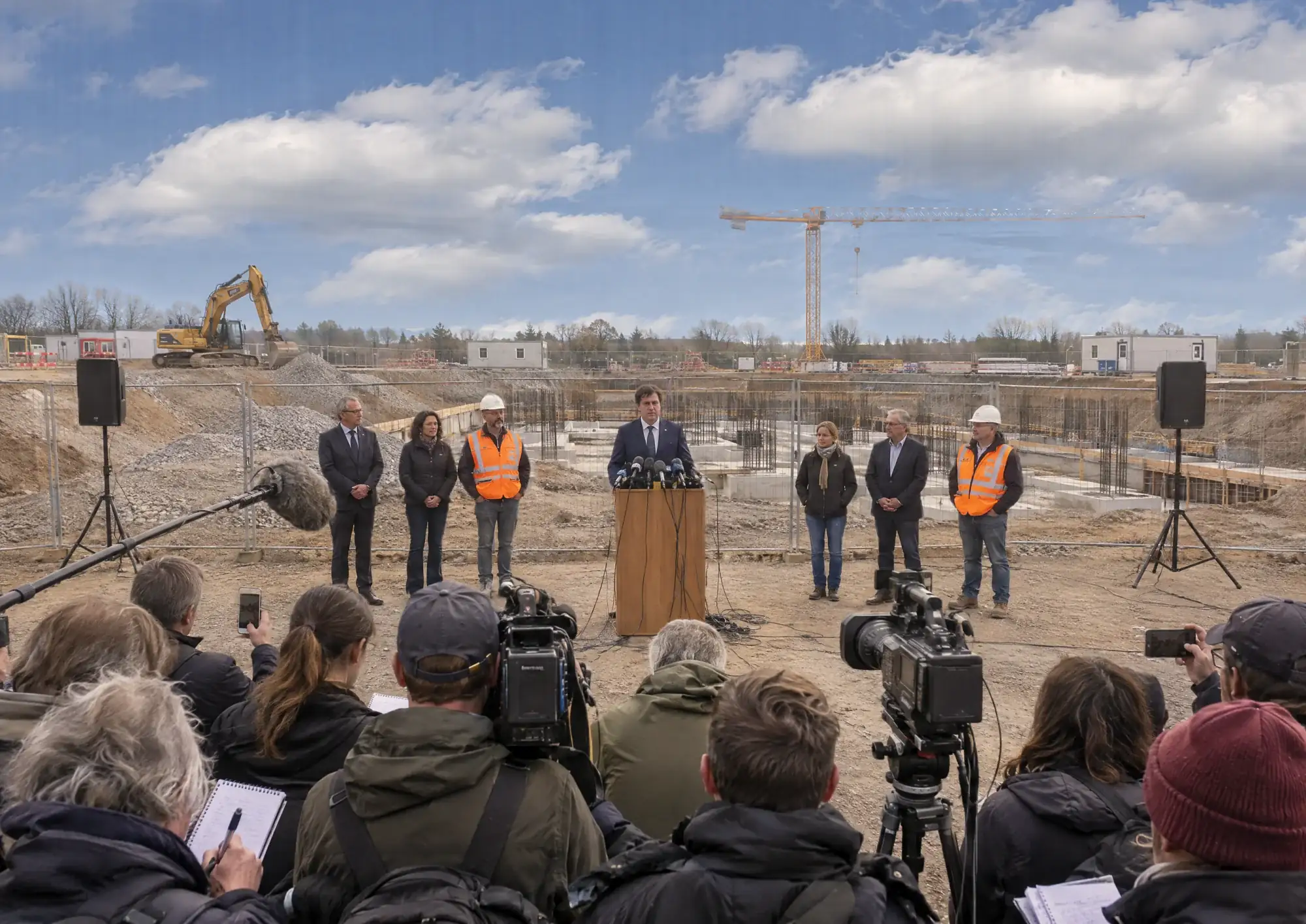

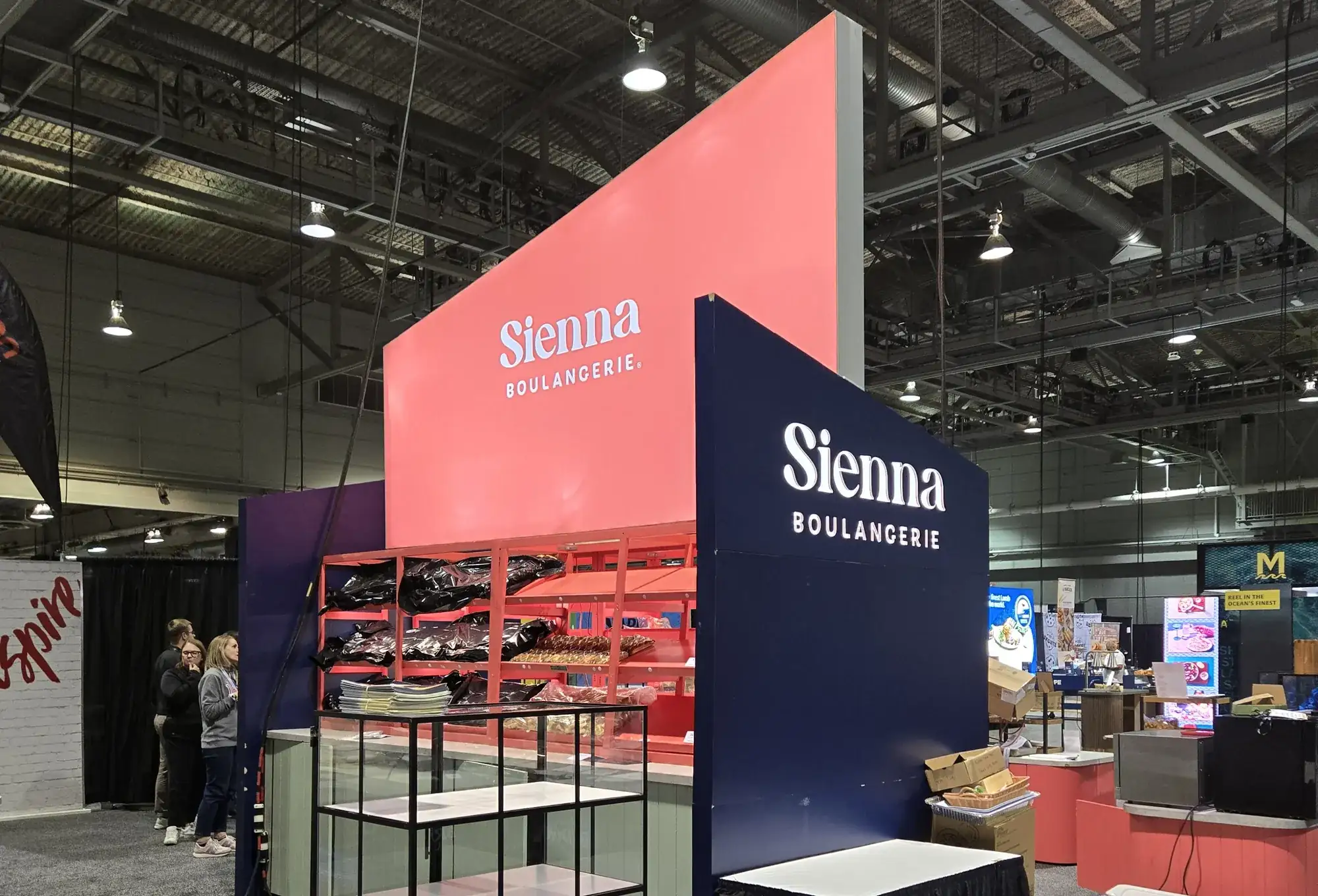
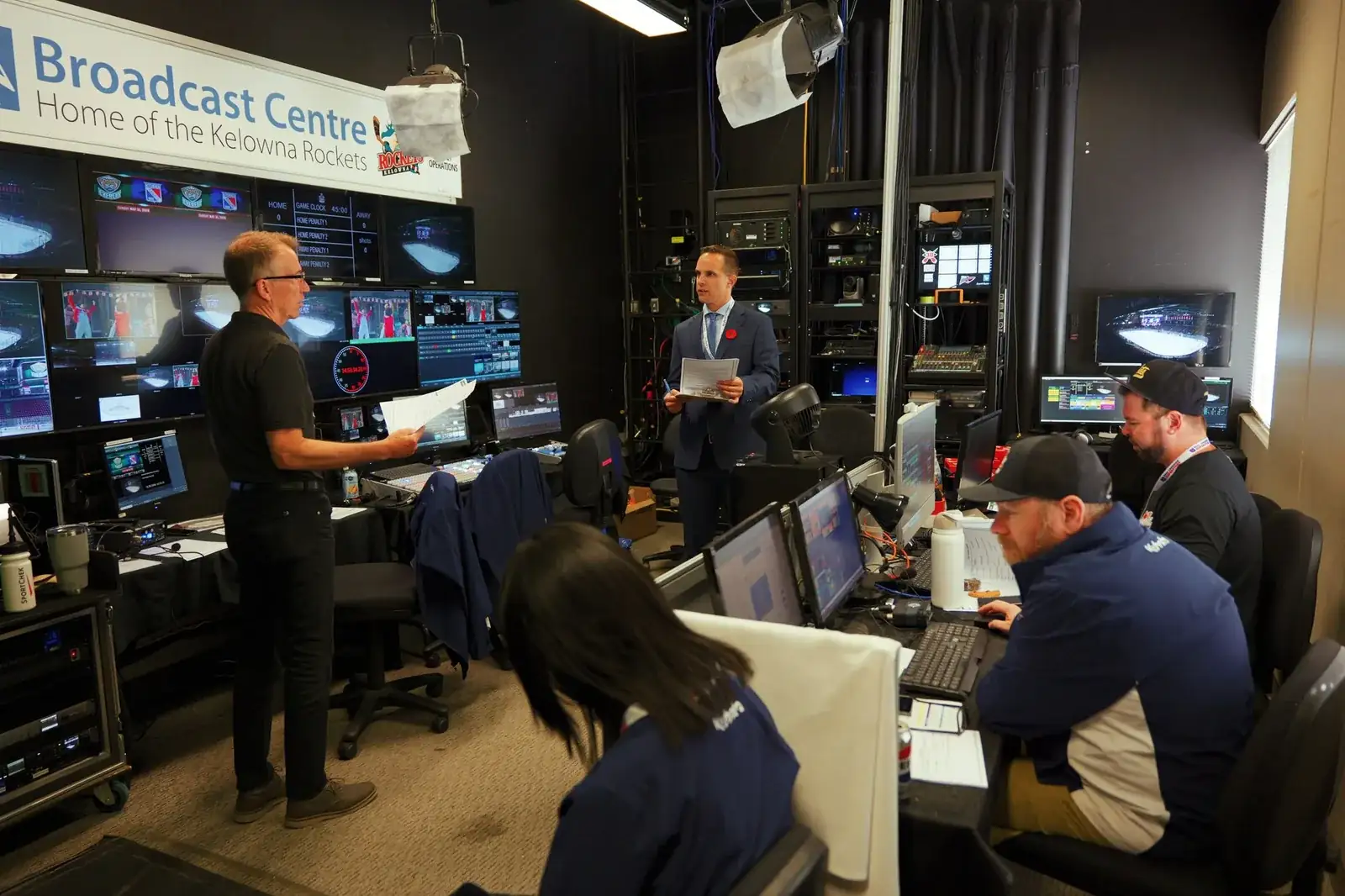
The question is never just how long the build takes. It is how long the building lets you take.
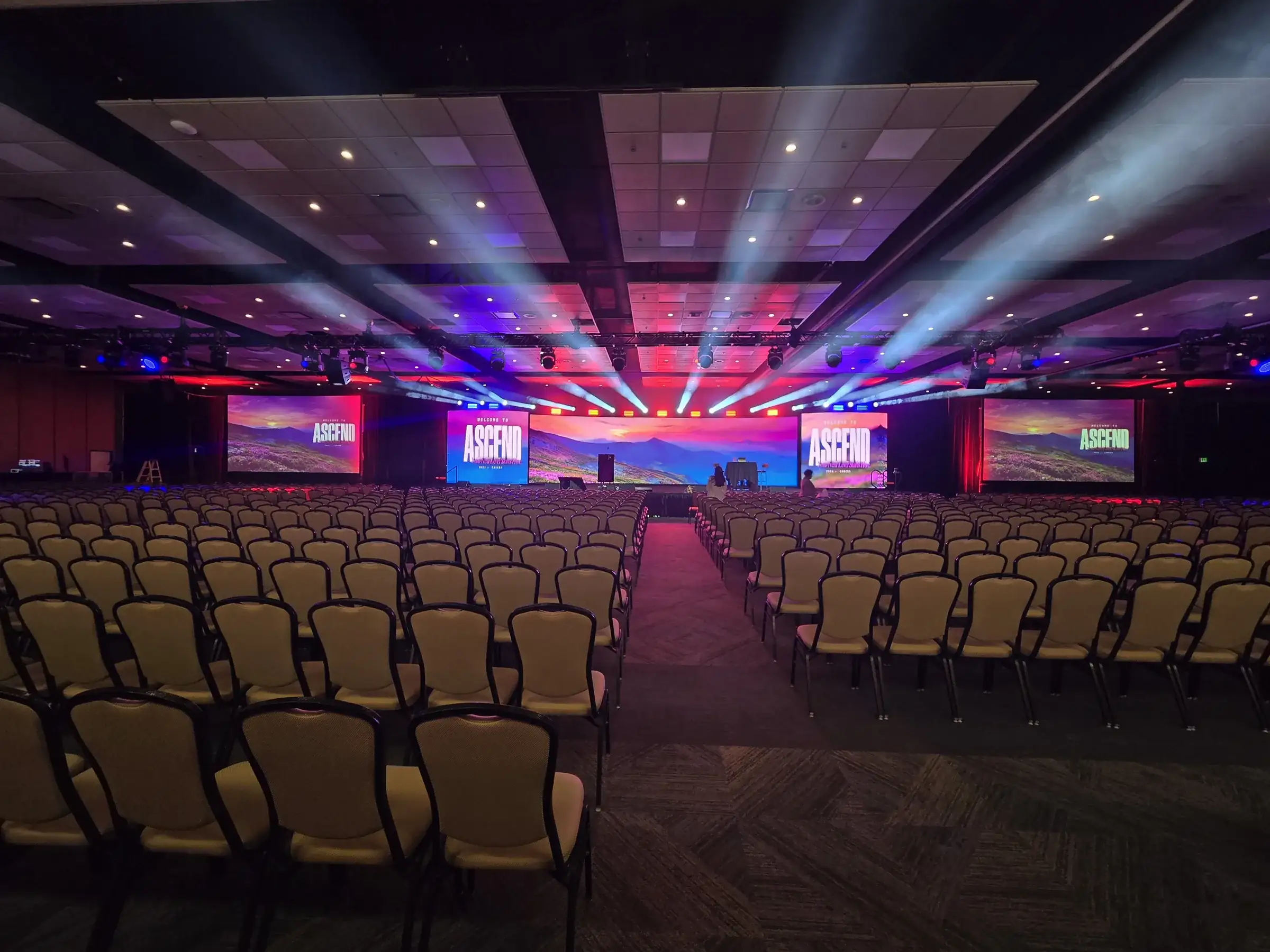
For a typical corporate ballroom, 6 to 8 hours is a good window. It gives us enough time to get everything in, build it properly, test it, deal with any surprises and have the room completely ready before you walk in for rehearsal, without everyone running around like crazy at the last minute.
What the timeline depends on
- Simple meeting: 3 to 4 hours
- Normal corporate ballroom: 6 to 8 hours
- Bigger LED, lighting and staging show: 8 to 12+ hours
- Really big shows may need a pre-rig or another setup day.
- Getting the gear into the ballroom is sometimes half the battle.
- One freight elevator can completely change the schedule.
- A 10-minute push from the truck doesn't sound like much until you're doing it with an entire show's worth of equipment.
- Rigging, staging, LED, audio and lighting all have an order. We can't necessarily build everything at the same time.
- Rehearsal isn't setup time. If you want to rehearse at 3:00, we need to be done before 3:00.
- Load-out is usually quicker because we're not testing or programming.
- But if the venue says everything has to be gone by midnight, we may need more people on the strike.
- Tell us your access times early. If the timeline doesn't work, we would much rather tell you three months out than three hours out.
What other people publish, and how to read it
It helps to have an outside number to check any quote against. One production company's timeline guide puts a full corporate build at "6 to 18 hours total" and teardown at "4 to 10 hours, often immediately after the event" (The Panacea Collective, "Event Production Timelines: How Long a Full Build Really Takes", undated). Read the top end carefully: the 18-hour figure is a full scenic build, not a ballroom with audio, screens, and lighting. Use the range to sanity-check a window you have been given, not as a target.
Teardown deserves more margin than it usually gets
A published staffing benchmark recommends planning "20% more staff or a 1-hour longer buffer than your load-in time" for teardown, on the reasoning that "teardown is faster but more dangerous", and suggests a 25 to 30 percent buffer overall (Daniel Muersing, EventStaff.com, 2025-11-17). That is a US staffing vendor writing about general event labour rather than AV crews, so take it as one published benchmark. It is close to the ranges above, and it is why a midnight clear can cost more people than the build did.
The safety literature is blunter about this
Compressed load-outs are a documented injury mechanism. The Event Safety Guide version 2.0, published by the Event Safety Alliance in 2013 and issued as a draft for review, says this about arena events at section 27.1.6: "The breakdown of the event may have to take place very quickly if the arena has been booked for other events. Working to tight deadlines needs careful planning to avoid a fatigued workforce more prone to physical and mental errors, which can lead to injuries." (The Event Safety Guide v2.0, Event Safety Alliance, 2013, page 195.) That is an American document, but the hazard is recognized here too. WorkSafeBC treats work schedules and fatigue as a hazard in its own right (WorkSafeBC, "Work schedules and fatigue"), and Actsafe, the province's health and safety association for arts and entertainment, publishes guidance on extended work hours (Actsafe). So there is a reason to push back on clearing everything by midnight, and it is what the last two hours of that shift will look like.
The order is not a preference
Planner checklists describe the same sequence we build in: infrastructure first, so staging, rigging, lighting, and AV, then furniture, decor, catering, and finishing (Abastio, event setup and teardown checklist, undated). Which is why who else has access to the room, and when, is a real scheduling question and not a detail.
Why your load-out time decides who can work the next morning
Access times do not just size the crew, they decide whether the same crew can come back. BC's Employment Standards Act sets that shape: eight consecutive hours free between shifts, 32 consecutive hours free each week, a split shift completed within 12 hours of when it started, at least two hours pay for reporting to work even if the work does not happen, and four hours if the shift was scheduled for more than eight. Section 40 sets time-and-a-half after eight hours in a day, double time after 12 hours in a day, and time-and-a-half after 40 hours in a week (Employment Standards Act, BC Laws). A 10-hour crew day is a familiar scheduling unit in this industry, but it is not the legal trigger, and none of it can be traded away. A 2:00 am finish and a 7:00 am start is two crews, not one long day.