

Direct answer
Book as soon as you have a date and a rough scope, but do not assume a short timeline rules you out. Thirty to 60 days is a comfortable window for most events, and 3 to 6 months is the industry standard for very large ones. A company that owns its inventory and employs its crew can turn an event around in a week when the people and the gear are free. Booking early is about reserving the specific team you want before somebody else does. What you lose by booking late is choice, not feasibility.
What booking early actually buys you
This is the part that gets explained badly, so it is worth being precise.
Booking early does not buy you time to do the work. For most events the work does not take six months. What it buys you is:
- The specific crew you want. Senior technicians and technical directors get committed months ahead, especially in peak season.
- The specific equipment you want. A particular console, a particular LED pitch, a particular rig. Inventory is finite and it goes to whoever booked it.
- Room to change your mind. Early booking means design decisions can move without the schedule becoming the constraint.
- Better options if something goes wrong. Slack in the calendar is what absorbs a venue change or a late agenda shift.
Realistic timelines
| Event type | Comfortable window | Can it be done faster |
|---|---|---|
| Small meeting or single-room presentation | 30 to 60 days | Yes. Days, if the crew and gear are free. |
| Mid-size conference, multiple rooms | 30 to 60 days, more is better | Usually. A week or two is workable with available inventory. |
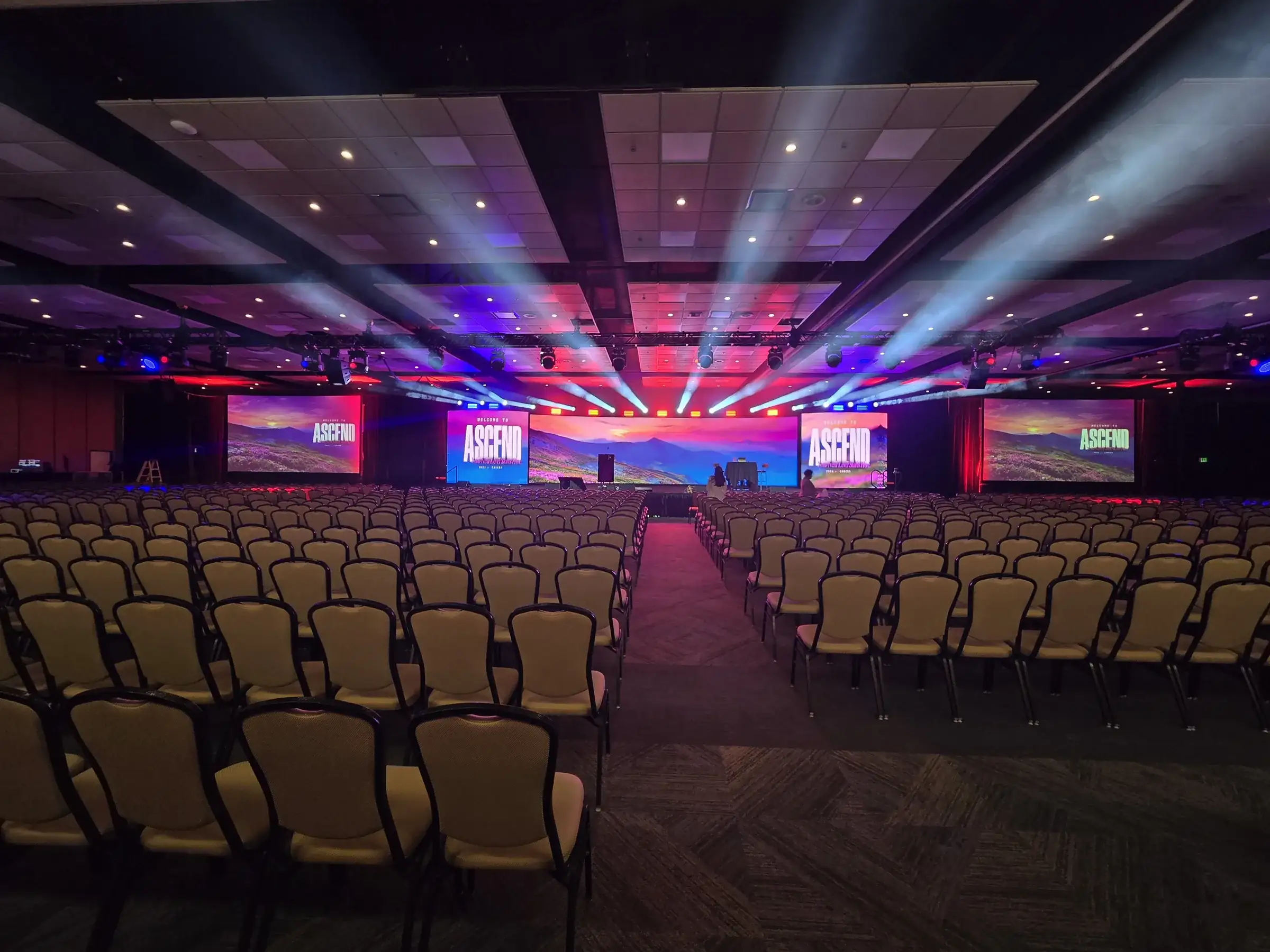
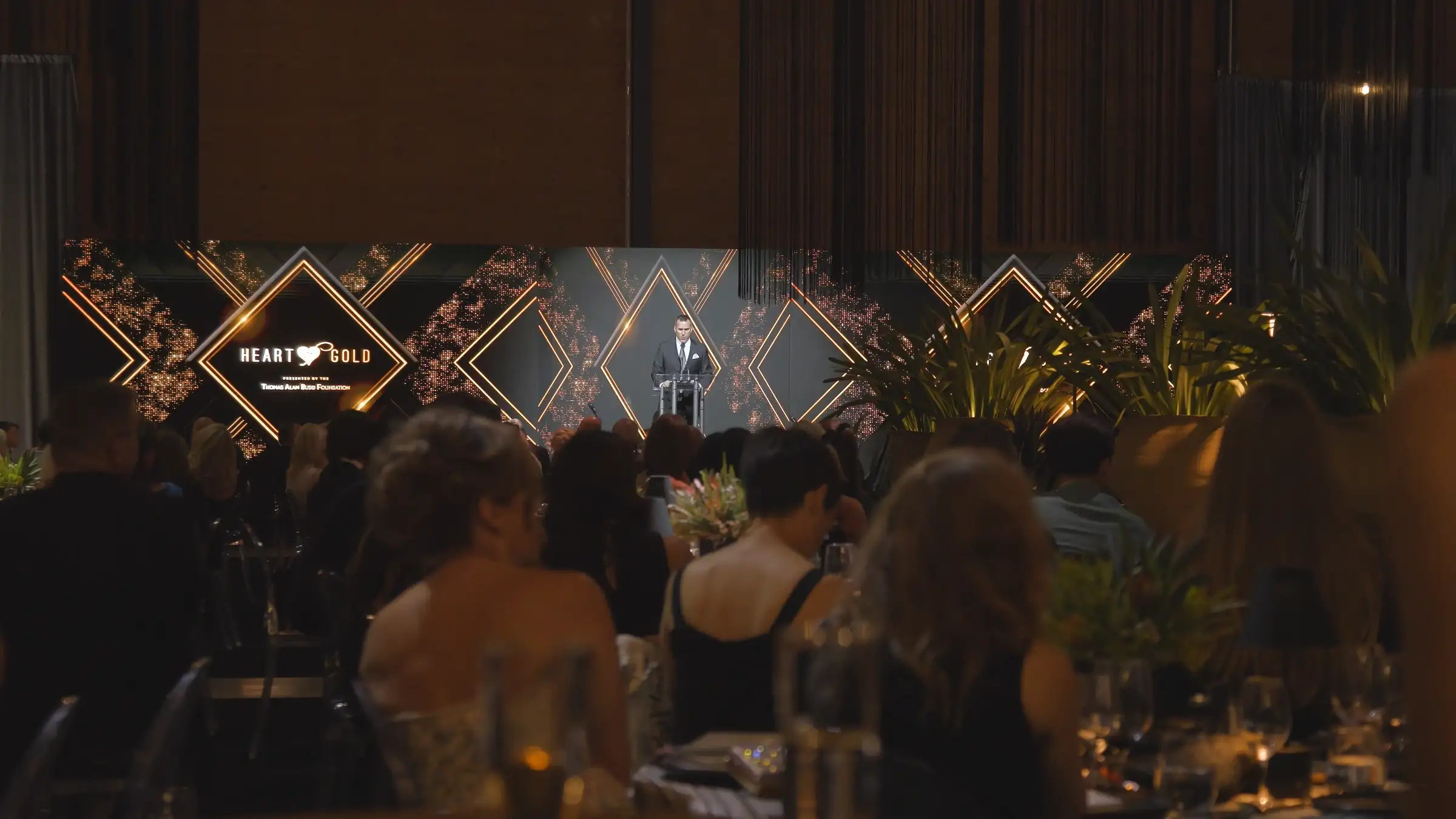
| Large conference, gala, or shareholder meeting | 3 to 6 months | Often, though peak season is the real constraint. |
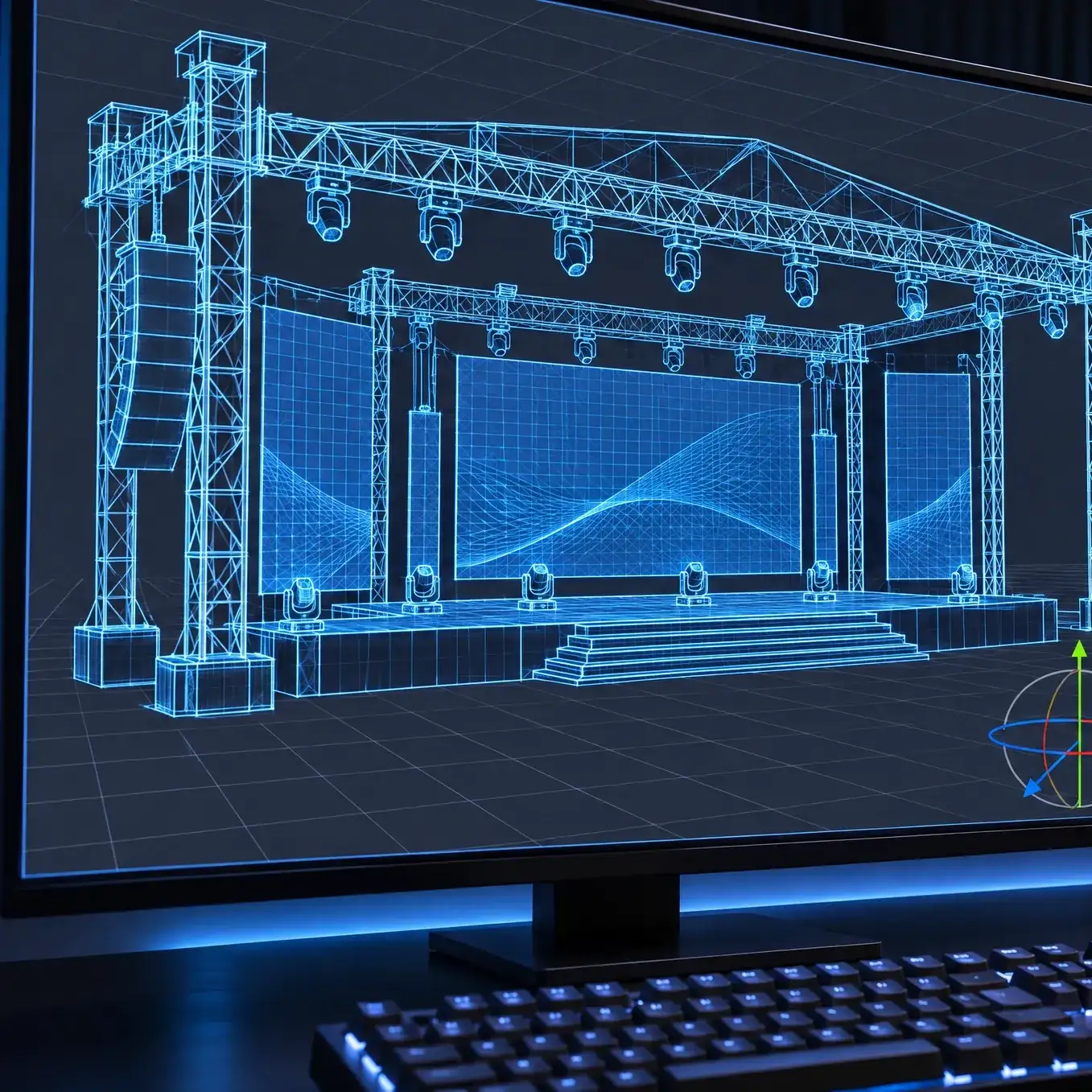
| Custom fabrication, scenic builds, bespoke content | Longer, and it drives everything else | No. Fabrication and design have their own clock. |
The last row is the genuine exception. If something has to be built or produced rather than pulled from inventory, that is what sets your timeline, not the AV.
Why short notice is more workable than you think
There is a distinction buyers rarely hear, and it matters here.
A systems integrator sells and installs permanent infrastructure. Those projects run on long timelines because they involve procurement, construction schedules, and commissioning.
An event production company rents, designs, and operates. The equipment already exists, in a warehouse, maintained. The crew are already employed. When the gear and the people are available, the constraint is logistics, not lead time.
So if you are three weeks out and think it is too late to ask, ask. The answer is more often yes than the industry's published advice suggests.
What you need to start the conversation
Four things:
- A potential date or window
- A city and a venue shortlist
- A rough audience size
- The general goal of the event
The details can evolve from there, and a good production company expects them to.
Our take
The call nobody wants to make is the one where a client hears their preferred team is already booked. It happens most often in the fall and around award season, when senior crew get committed months out.
That is the real reason to book early. Not because the work needs the runway, but because the people do. Reserving the relationship early costs nothing and protects the crew and the gear you actually want in that room.
And if you are calling late, call anyway. Shows get turned around in a week when the inventory and the people are free. It is not the ideal way to work, but it is a long way from impossible, and that conversation is better than assuming the answer is no.
The bottom line
You do not need every answer to start. You need a date and a phone call.
Early booking protects your choice of crew and equipment. It is not a barrier to entry. If your timeline is short, ask anyway.