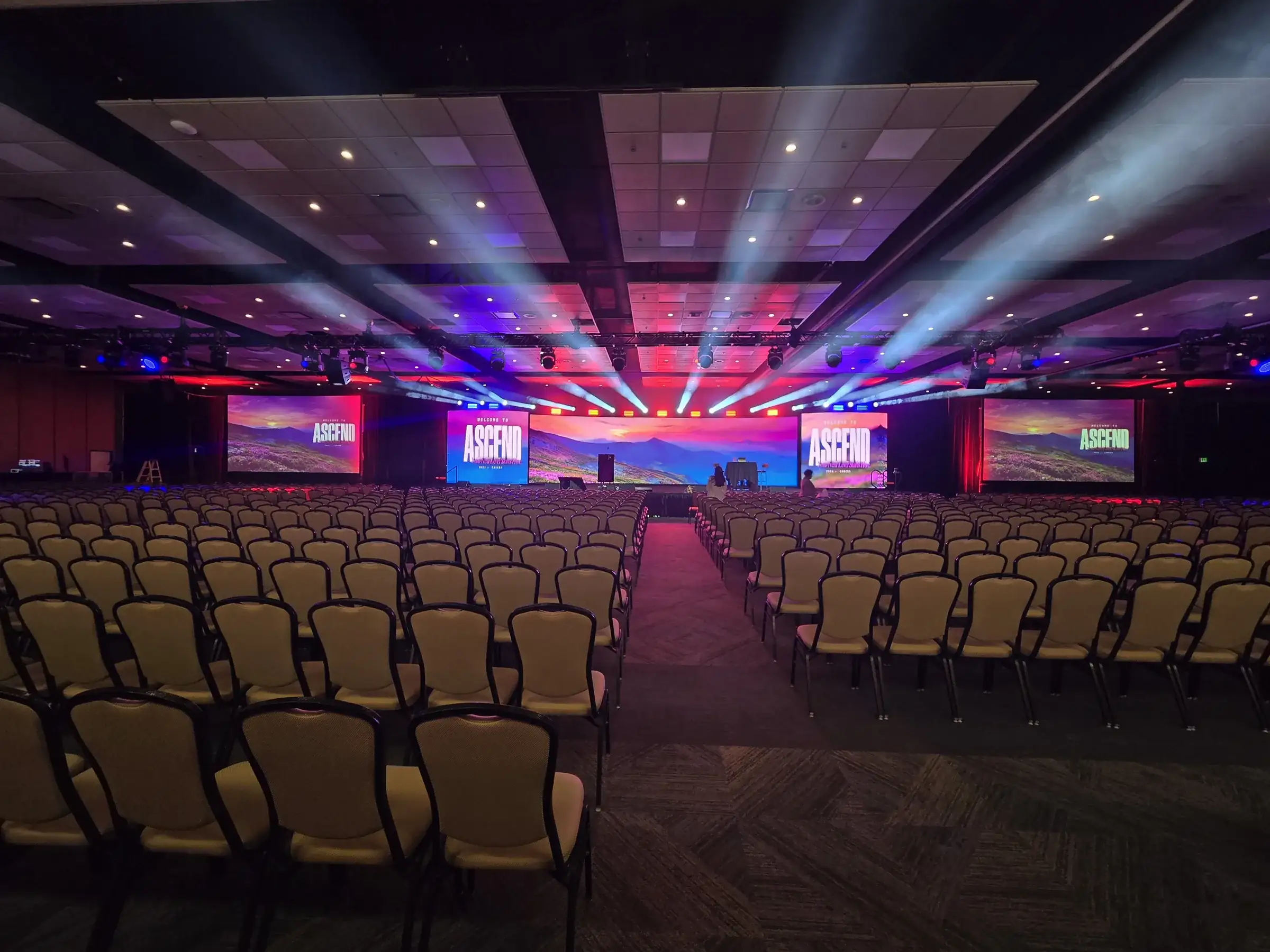


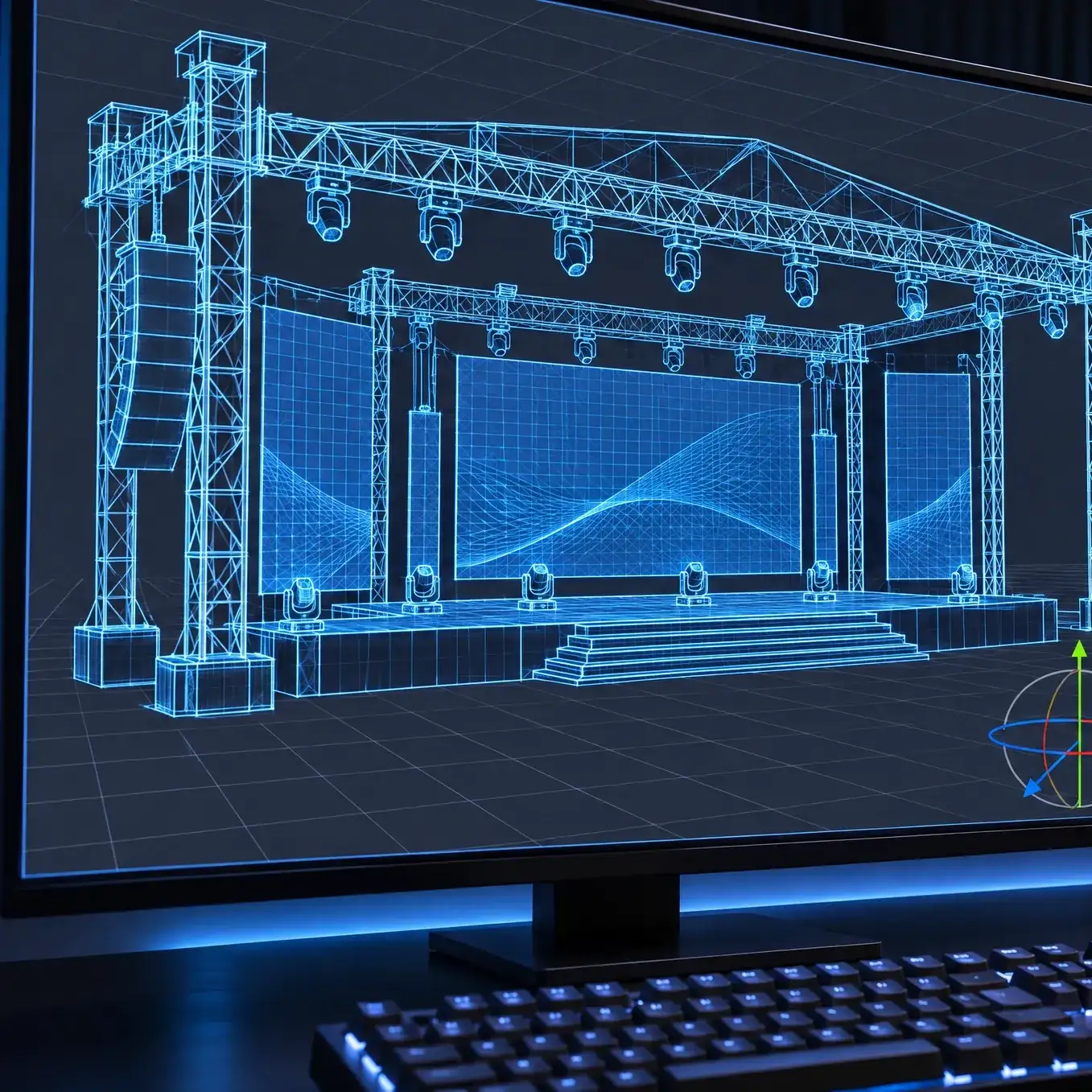



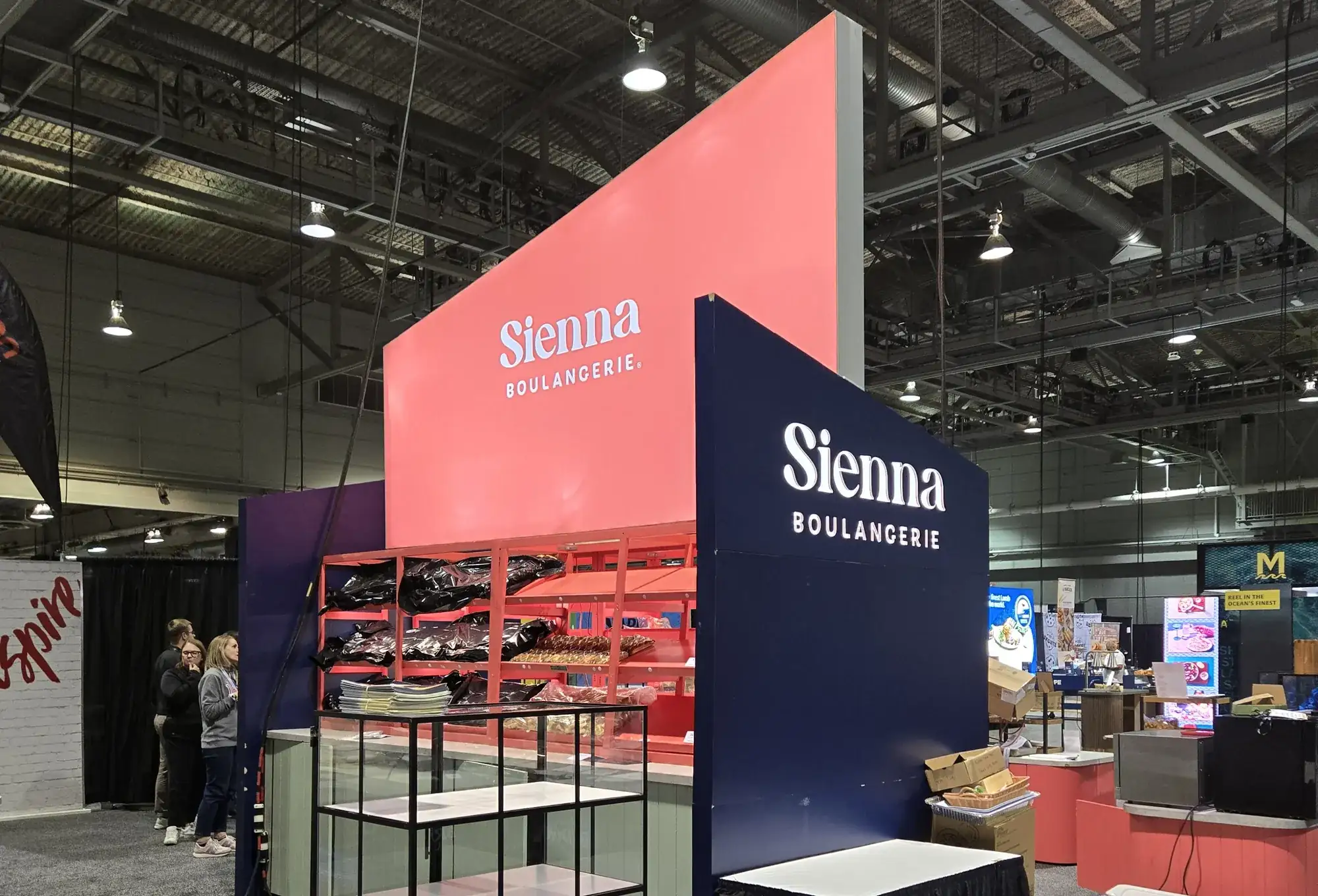
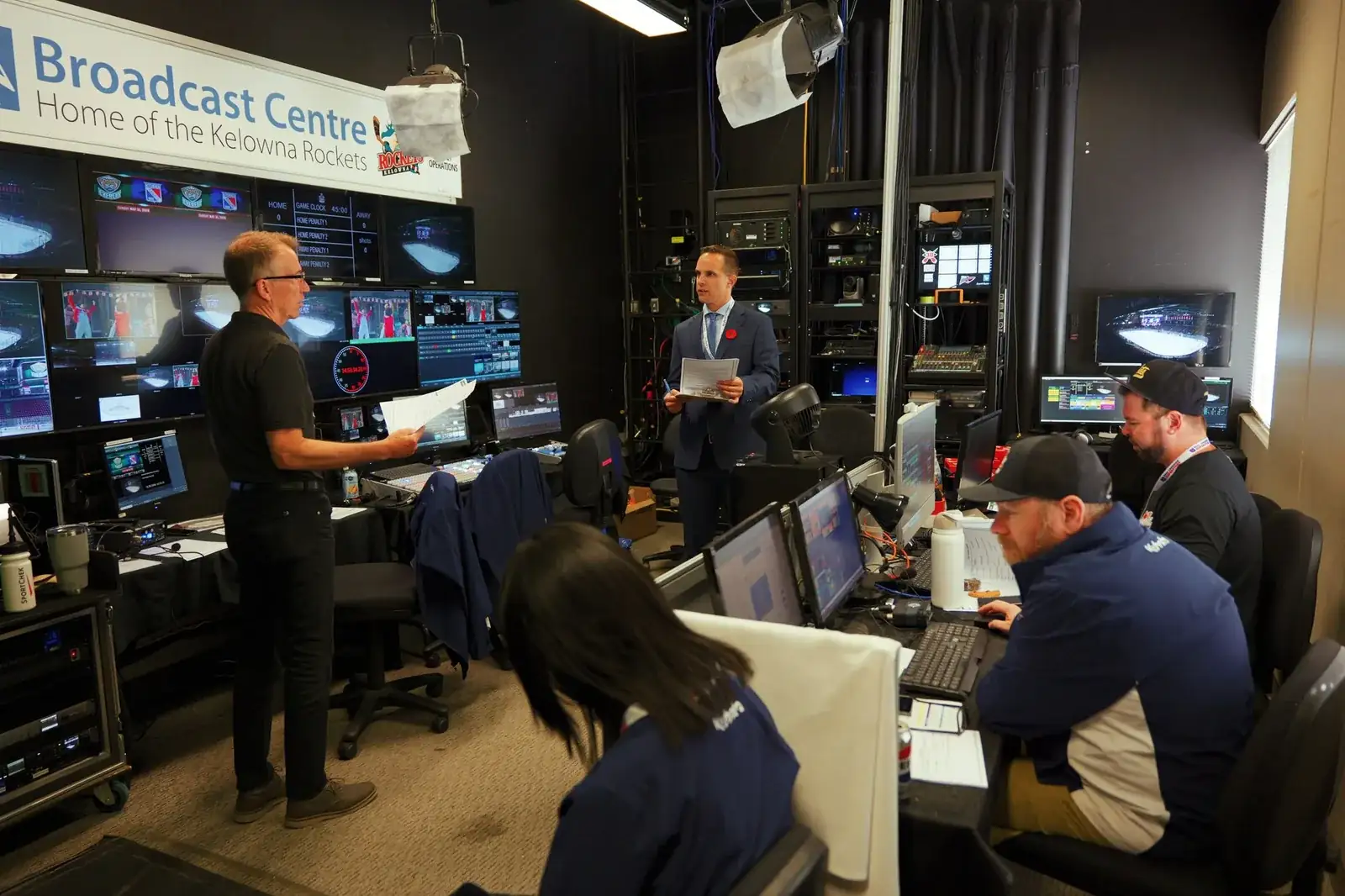
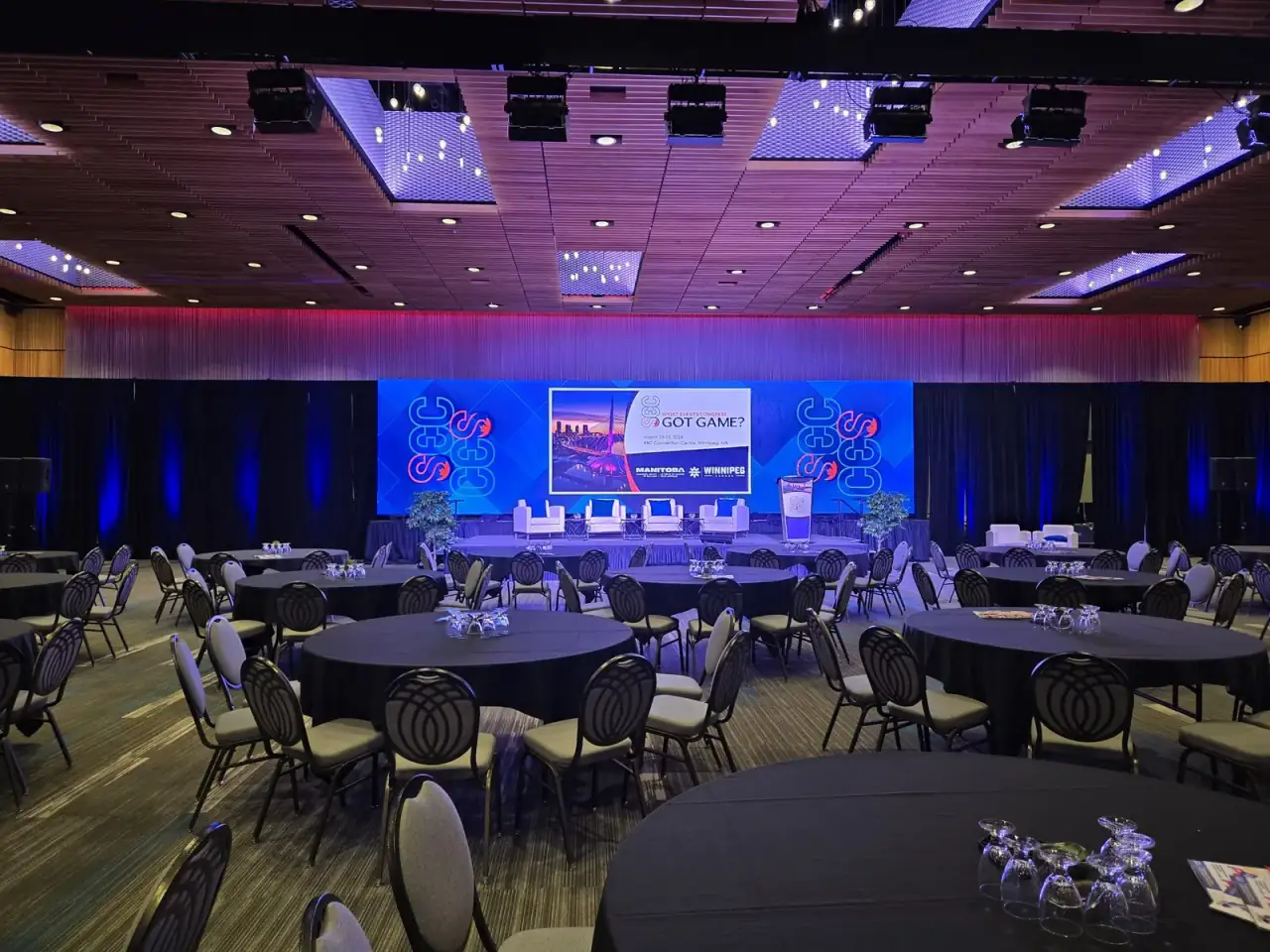
An in-house provider is appointed to the building. You are choosing whether that is enough for your show.
This is an important question for planners, especially in major markets. Deciding between in-house AV and an outside provider comes down to a few simple factors. What is important to you? What level of trust do you have with the in-house provider? Have they successfully delivered your event previously in other venues? Does their pricing meet your budget, or are they layering on secondary charges?
In many situations, the in-house provider is appointed to the facility rather than chosen at a venue level. Ultimately, the decision comes down to risk tolerance. An in-house provider is a utility locked to the building, offering a baseline of convenience. If your event requirements are standard, that might be enough. But if your event is complex, requires custom production, or has zero margin for error, that convenience can quickly become a liability. When you step outside the in-house model, you aren't just paying for equipment; you are paying for the freedom to solve problems on your terms before they hit the ballroom floor.
The commission is the part nobody says out loud
The decision is risk tolerance rather than price. You will still get asked about price, so here is the structure underneath it. The in-house provider usually pays the hotel a share of your AV invoice for the right to be the provider in that building. The published ranges are not a secret. Bill Johnson, National Account Executive at SmartSource, wrote in Smart Meetings on September 20, 2019 that hotels typically earn a commission of 35 to 50 percent from their in-house AV vendors, "making them more expensive than outsourced options." David Sonntag, CEO of Decibel Events, wrote on June 9, 2026 that hotels collect "roughly 30% to 50% of the in-house AV invoice," with "some accounts citing ranges as high as 40% to 60%," and ran the arithmetic on a $200,000 invoice at 40 percent commission: "$80,000 flows back to the hotel."
Decibel is an independent AV company that competes with in-house providers. So are we. Read us both as interested parties describing a real mechanism, and note that the neutral trade outlet sits in the same band a vendor does.
A commission does not make an in-house provider dishonest. It makes the incentive visible. Somebody carries that cost, and it is in your invoice.
In-house is genuinely cheaper for some shows
If your gear list is a screen, a projector, two microphones and a lectern, the in-house provider will often beat an outside company on price, because nobody has to truck anything anywhere. PCMA Convene reported that directly in Casey Gale's July 29, 2022 piece on rising AV costs: in-house can supply basic equipment at lower cost than an outside supplier bringing gear in, and renting locally beats transporting equipment. If your requirements fit what is already in the building, take it.
That article is also a fair check on anyone, this company included, who blames every AV price increase on commission. Convene documented equipment costs for screens and projectors rising 15 to 50 percent after the pandemic, and event budgets needing 20 to 30 percent increases to absorb the hikes. John Rissi, Senior Vice President, Customer and Industry Engagement at Encore, gave that piece its best line: "It's not 2019 anymore." Labour, freight and gear all moved. Commission is one input, not the whole bill.
The strongest version of the other side
Tom Stimson, MBA, CTS, an AV industry consultant with The Stimson Group, wrote on April 12, 2024: "In-house AV is inherently good. The execution isn't always perfect." He argues venues have a legitimate right to exclusive AV partnerships, and that "ultimately, the guest has the power to choose venues and negotiate services." He is right, and it is worth naming: the house provider knows that room, its power, its rigging points and its crew, and on a standard breakout that knowledge is worth money. Stimson also concedes that some venues manipulate ancillary costs to push you onto the exclusive provider, and says it reflects poorly on the industry. Both are true at the same time.
What actually decides it
Get these answers in writing before you sign:
- What is the full fee schedule, including patch fees, liaison or supervision fees, rigging, electrical and floor covering?
- Are service charges calculated before or after discounts, so you can still owe a percentage on items that were comped?
- Who is the named technician on your show, and what else are they running that day?
- What does the same room cost with your own company in it, once the outside vendor fees are added?
Run both numbers. If they land close and your show is simple, the building's provider is the low-risk answer. If your show has a rehearsal, a keynote that matters, or a change you will make the night before, buy the crew you know. What you pay an outside company for is not cheaper equipment. It is a team that answers to you and reads the venue's contract before it becomes your problem.