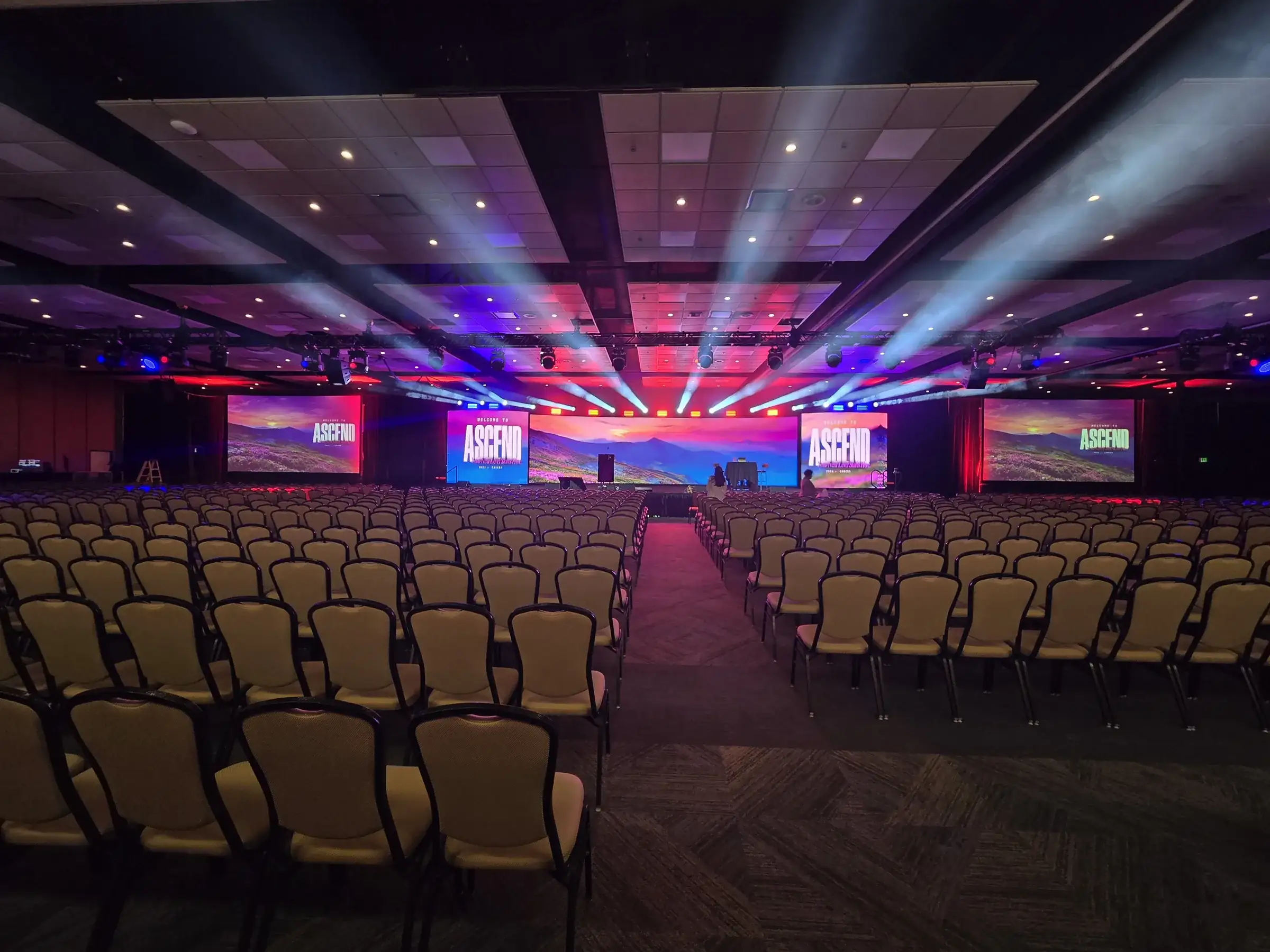
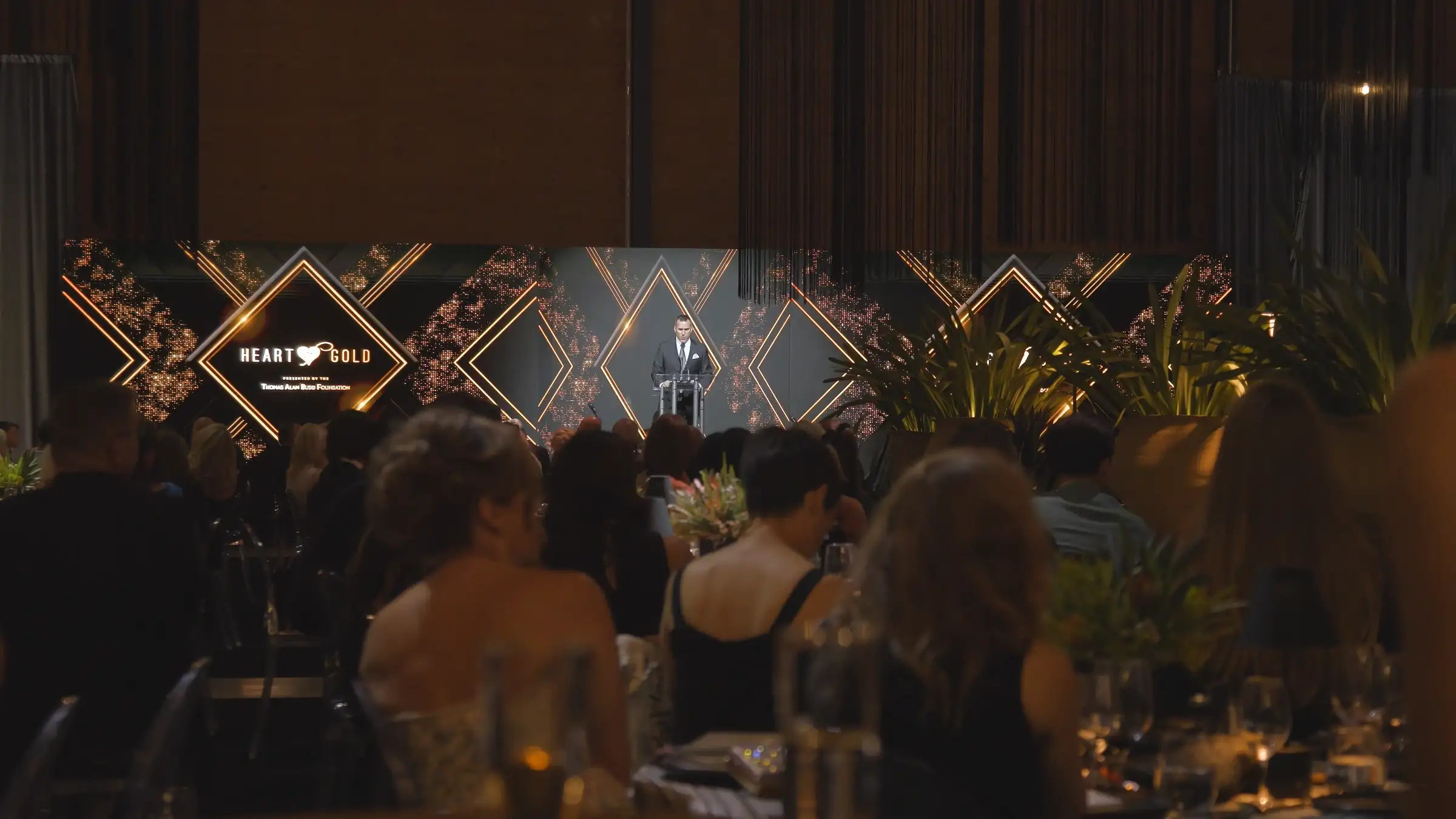
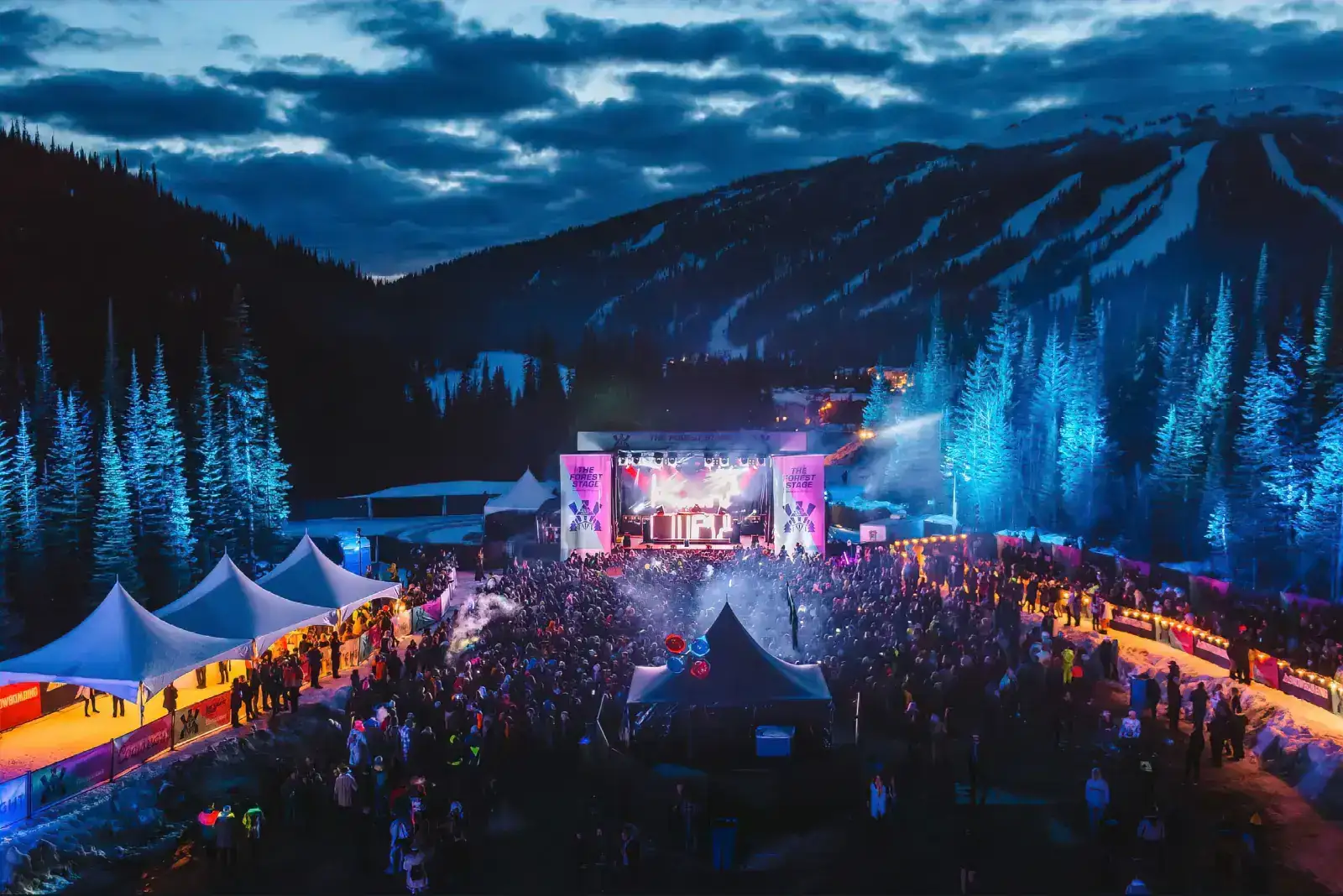
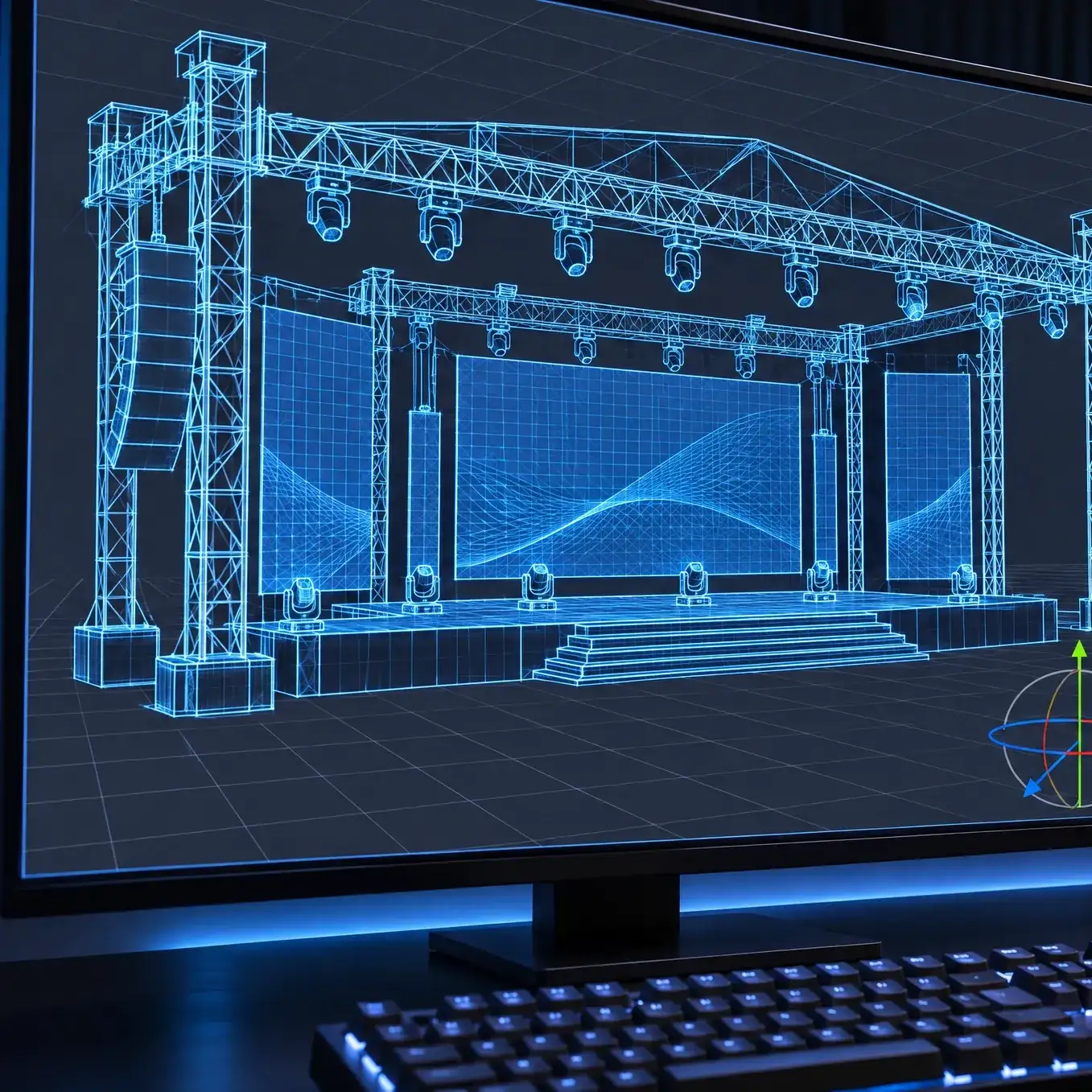

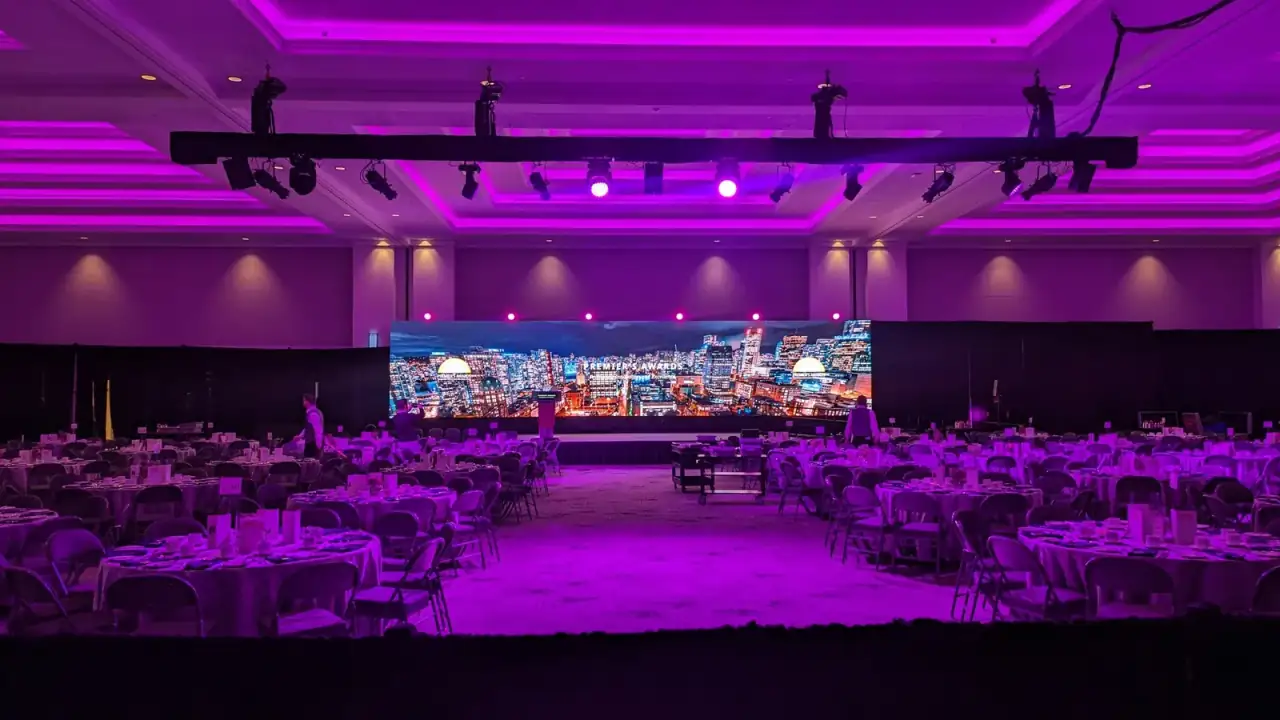
Yes, you can. Do not assume the hotel will make it easy.
Yes, you absolutely can, but don't assume the hotel will make it easy. The ballroom is their house, and they are usually incentivized to keep you within their own ecosystem.
If you are planning to bring in your own team, you have to play the game on their terms:
- Audit your contract immediately. If you have already signed a contract that mandates the use of their "exclusive" provider, your leverage is gone. You need to identify this specific clause before you sign, not after.
- Expect "admin fees" or "service charges". They will often frame this as an insurance or facility management cost, but it is usually just a tax on your choice of partner. Ask for this number during the RFP phase so you can factor it into your production budget.
- The power and rigging trap. This is where they hold the most control. Even if you bring your own gear and crew, they may force you to use their house electrician or rigging company. That isn't just an inconvenience; it's a massive hidden cost multiplier. A good partner provider will assist in mitigating these charges.
- Liability insurance. Be prepared to provide a Certificate of Insurance that names the hotel as additionally insured. Have this ready before you even start the load-in conversation; it is a standard requirement, but being slow to produce it gives them a reason to stall.
- Dock access and scheduling. The in-house team usually controls the loading docks. They may prioritize their own load-in and load-out times, potentially leaving your team with limited windows or forced overnight hours that drive up your labor costs.
Preferred is not the same as exclusive
Most hotels have a contractually preferred provider, and your signed contract decides what you owe for going outside it. Vendor blogs will tell you more than that. Meeting Tomorrow, an independent AV firm, states in its April 26, 2025 guide that hotels "cannot limit your right to bring in your preferred providers for audio visual needs," subject to local safety standards and limits on altering utilities or mounting to the building. That is a vendor's assertion, not a citation of law, and it runs against Tom Stimson of The Stimson Group, who argued on April 12, 2024 that venues have a legitimate right to exclusive AV partnerships. Assume your clause is enforceable. Negotiate the fees instead.
The fee stack, and the arithmetic you should be doing
The charges have names, and the published numbers vary wildly. Miguel Peguero of One Way Event Productions lists "AV liaison fees, rigging fees, floor covering, and more" (December 9, 2019). Daniel Pitner of Centric Events cites patch fees of "$250-$500 per room, per day," says he negotiated them to a one-time flat $500 for an event's duration, and describes venues mandating an in-house tech to supervise an outside crew at "$100+/hour" (Centric Events, undated on the page). David Sonntag of Decibel Events puts house engineer and patch fees in a "commonly cited" $500 to $2,000 per day range (June 9, 2026). Both are vendors writing about competitors. Treat those as reported ranges, never a price list, and get real numbers from the hotel.
Then do the subtraction. Patch fee, plus liaison fee, plus supervision hours, plus rigging and electrical, against what the in-house quote would have been. If the fee stack eats the difference, the in-house provider wins that show, and that is worth saying plainly.
Get the certificate right the first time
Ask the hotel for the exact legal entity to name as additional insured, the limits it requires, and whether it wants a waiver of subrogation. Paul Wedesky, CMP, COO of IMS Technology Services, frames the Certificate of Insurance as the reasonable alternative to paying for supervision (IMS Technology Services, a repost of a MeetingsNet piece, undated on the IMS page). Any established production company will be used to issuing certificates naming the venue, so hand your supplier that requirement early.
Labour rules are a separate thing
Where a venue's labour comes with jurisdiction rules, that is not a hotel protecting a commission, it is a collective agreement. San Francisco's Moscone Center publishes its own breakdown: IATSE Local 16 covers "Staging, Rigging, Theatrical Lighting, Sound and Audio-Visual Services," IBEW Local 6 covers exhibit booth electrical, and the venue "does not enforce jurisdictional claims" (Moscone Center, Union Jurisdictions, accessed September 3, 2026). Peguero describes US venues where union workers accompany an external crew one-to-one at equal pay, which on his account doubles the labour cost. Those are US convention centres, not hotel ballrooms, and neither is a Canadian rule. Do not carry the assumption into a ballroom here, and do not read it as greed anywhere. Ask the building what its labour rules are, in writing, before you price a crew.
What we do with the dock
The dock window, the freight elevator dimensions, the floor protection requirement and the house electrician's schedule are the four answers that set your labour hours, so collect them before you ask anyone for a price. Your own company in the room is not a fight with the hotel. It is a plan that accounts for the hotel.