


Four Stages. Three Days.One Running Order.
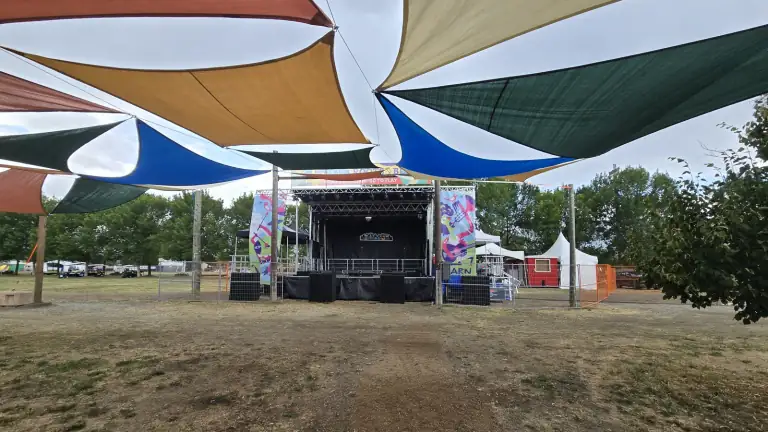
- 4Stages: main, barn, blues, shade
- 3Festival days
- 2LED trailers, the second new for 2025
- 15 minChangeovers, covered on another stage
01 / The Brief
Four Rooms in a Field. The Gaps Between Sets.
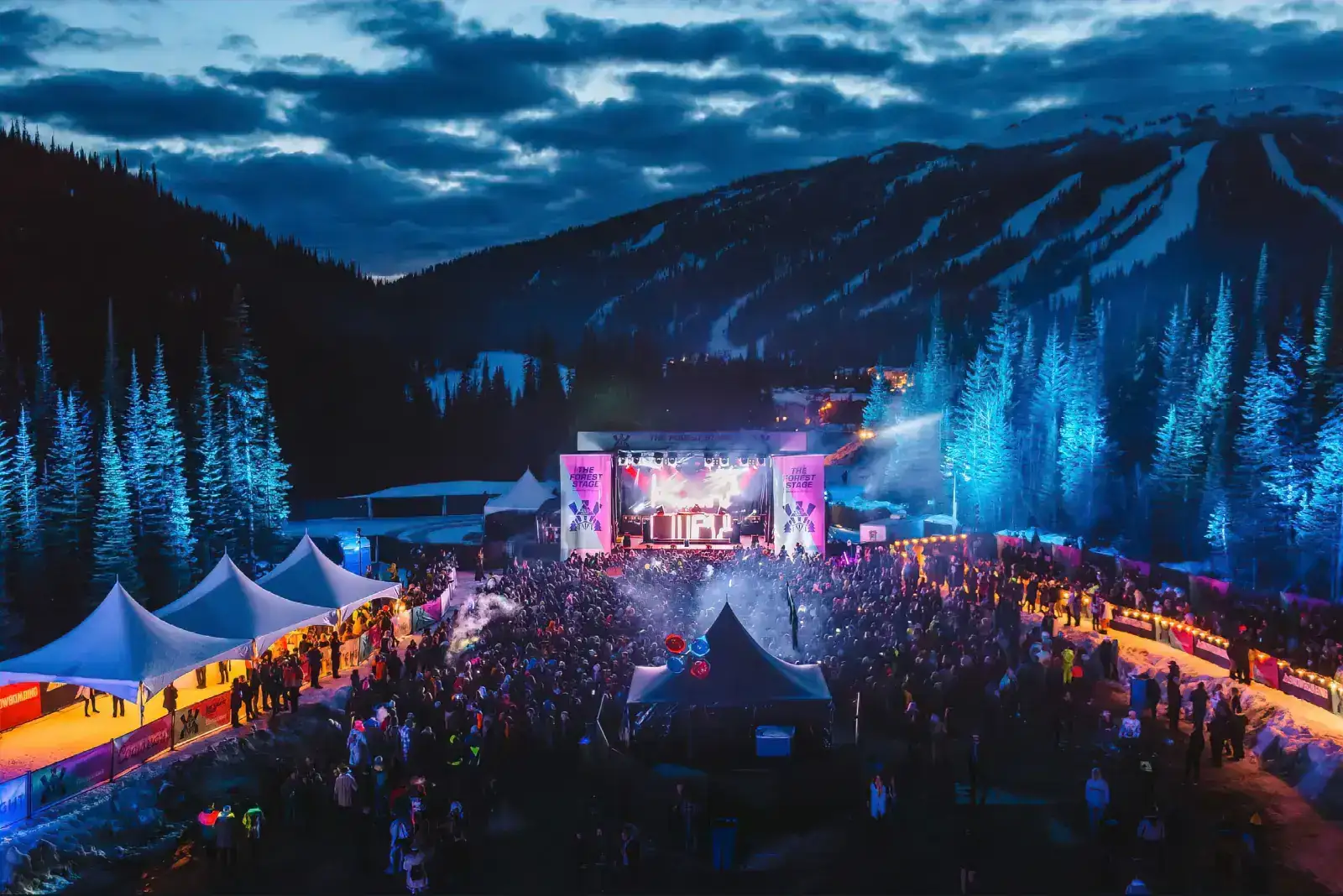
A folk festival is not one show. It is four rooms running at once in a field, and an audience that walks between them.
The hard part is not any single stage. It is the gaps between sets. A main stage act finishes, the next needs fifteen minutes to change over, and something has to happen in that quarter of an hour or nothing does.
The Society owned the program, the artists and the site. SW's scope was the four stages, their audio, lighting, LED and playback, and the crew to run all of them at the same time.
02 / The Work
Four Stages Built in Sequence. Tweeners by Design.
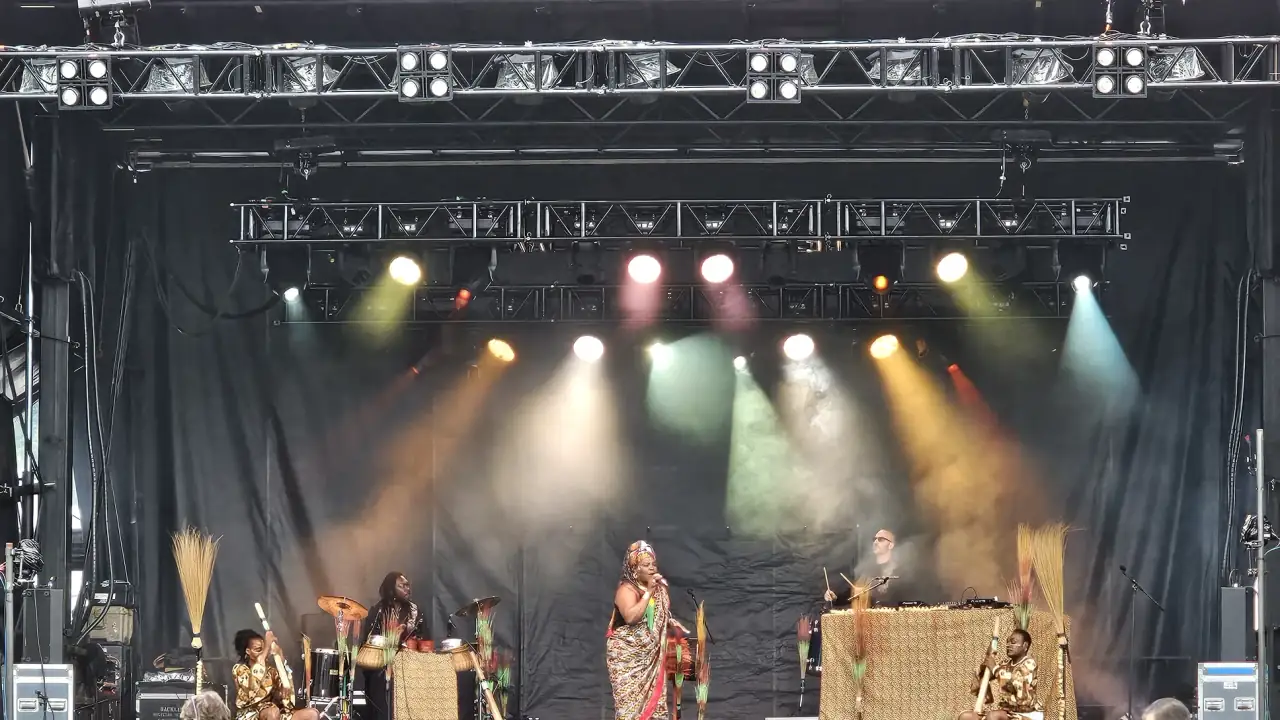
Four stages, built in sequence over three days
The main stage went up first as a mobile SL260. The barn stage followed as an SL100 with wings, then the blues stage, and the shade stage last, built while the main stage was already in soundcheck.
Then the tweeners, which are the actual design
The main stage running order does not only list main stage acts. Written into it, between the headline sets, are performances on the blues stage. An act finishes on the main stage, the crowd turns, and a different act is already playing on another stage while the changeover happens behind them. The two stages are interleaved in one document, and the fifteen-minute changeover is covered by a different band on a different stage.
Which means SW's crew is running both, against one clock
The breaks on the blues stage are not rest. They are the windows when the main stage is playing.
Artists move between stages and the patch has to follow them. Several acts appear in more than one room across the weekend, and a workshop set is two artists who have never shared a stage plot, patched on the day.
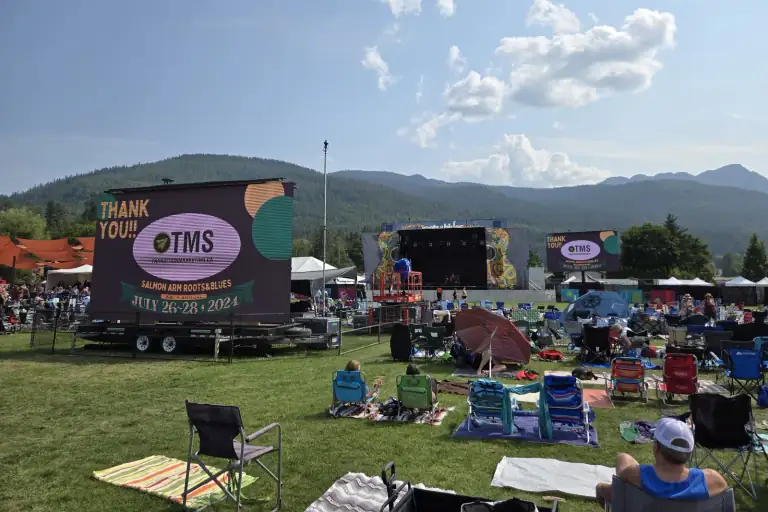
A second LED trailer, new for 2025
The main stage carried one video trailer in 2024. 2025 added a second, which is a wider picture for the field and a second position to feed, light and run.
03 / The Outcome
Four Stages Across Three Days.
Four stages ran across three days.
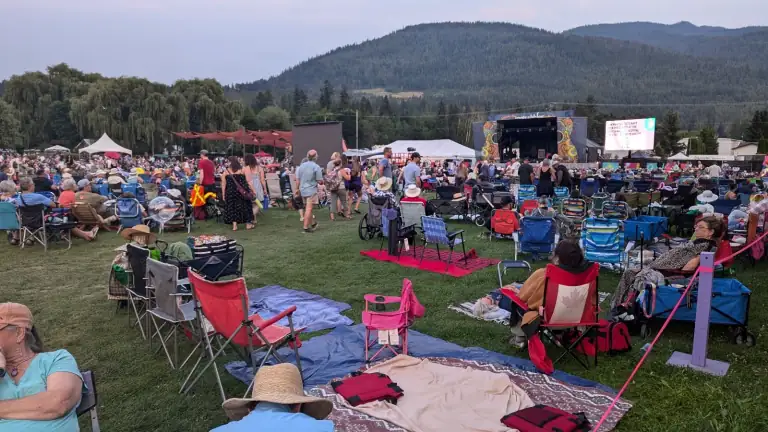
Four stages. Three days. One running order.
The hard part is not any single stage.
It is the gaps between sets.
Planning something like this?
Every event has a start time.
We make sure the technology is ready when it does. Tell us the date, the room, and what has to happen in it. You get a plan and a number back, from the people who would run it.
One of more than 4,000 events SW runs a year.