
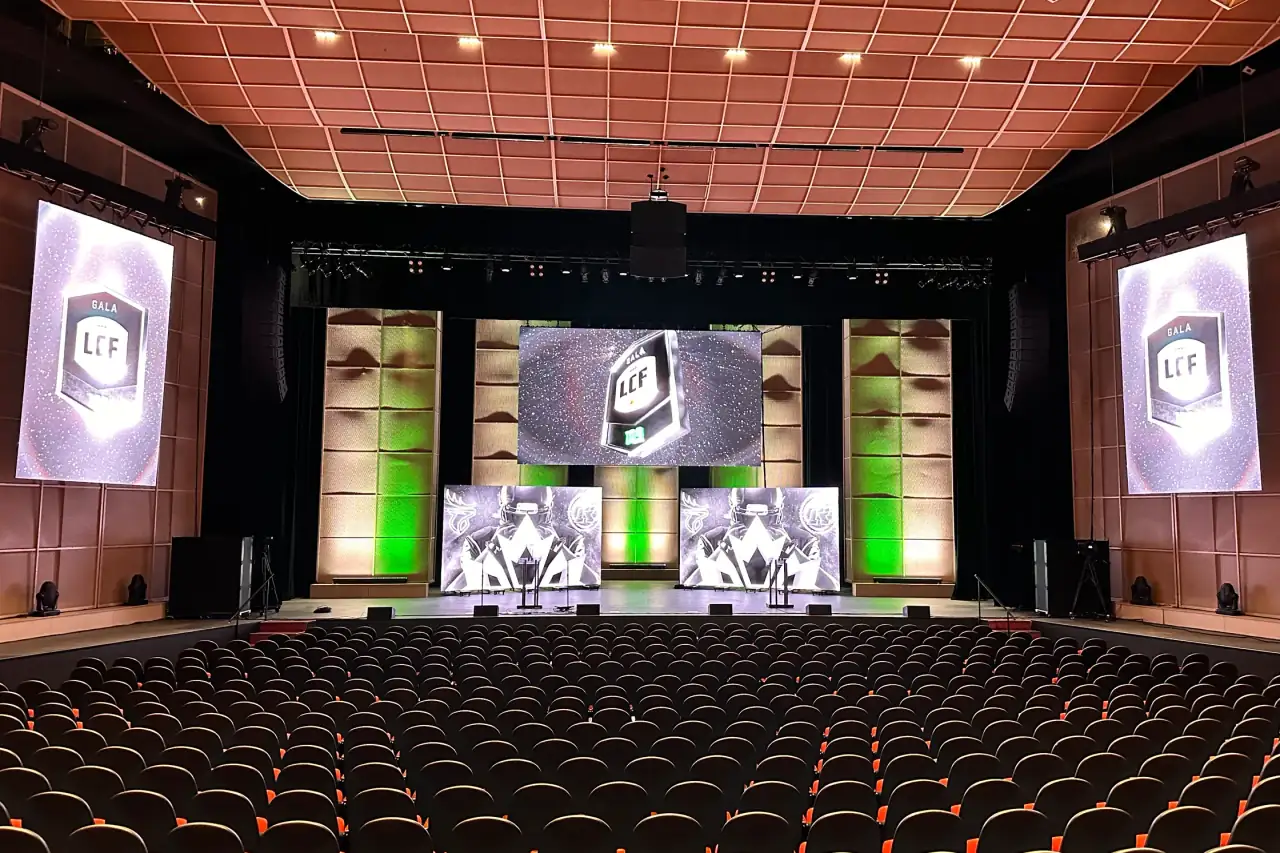
Two Shows. Two Rooms. One Week.Dressed and Lit Four Days Before the Game.
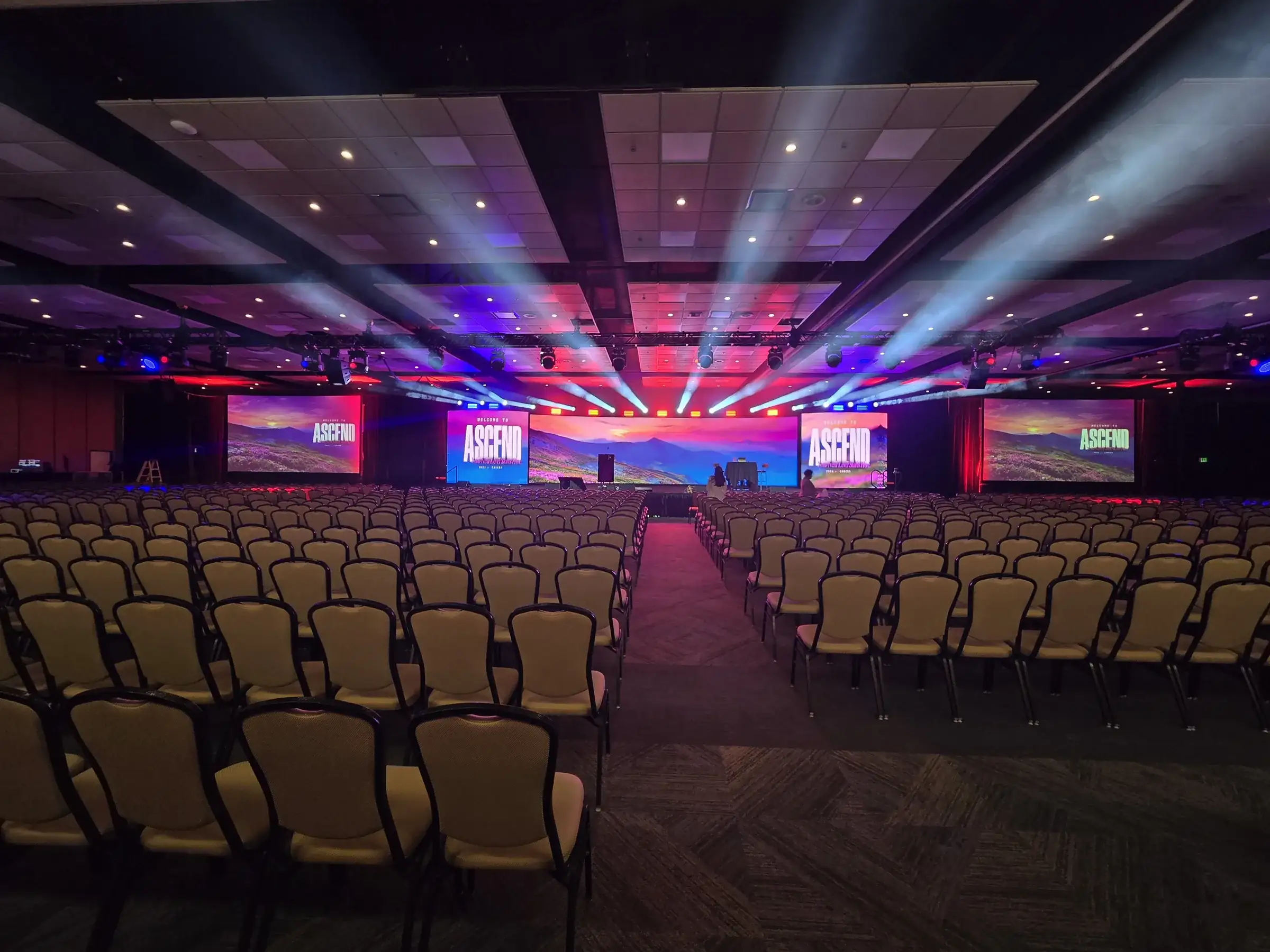
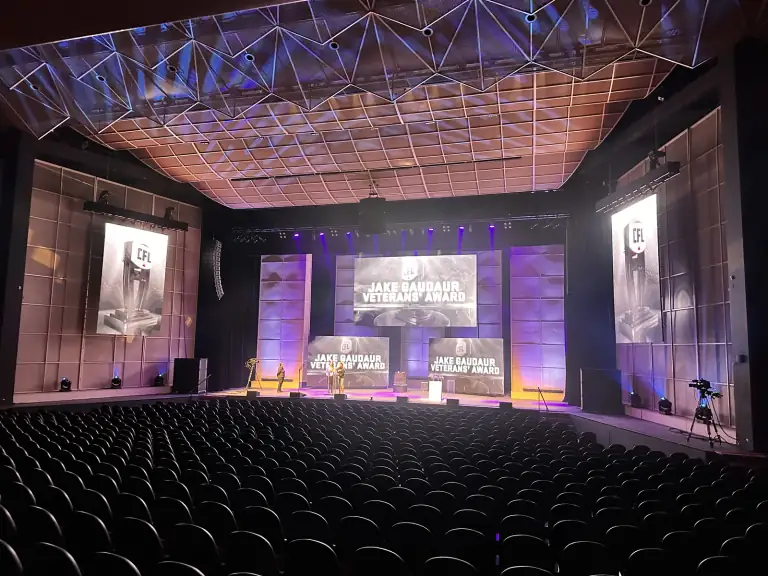
Just before the doors open. The show is ready to go.
- 2Shows in championship week
- 4Days before the game
- 5Screens in the awards room
- 2Languages, English and French
01 / The Brief
Two Shows Pulling in Opposite Directions.
The two shows SW carried pull in opposite directions.
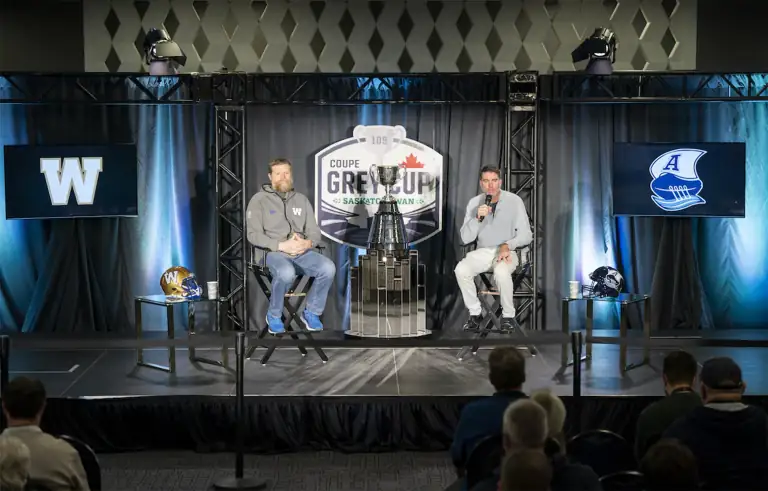
A head coaches news conference is a press format. Plain, evenly lit, intelligible on a mult feed, and over quickly. Nothing about it should be visible.
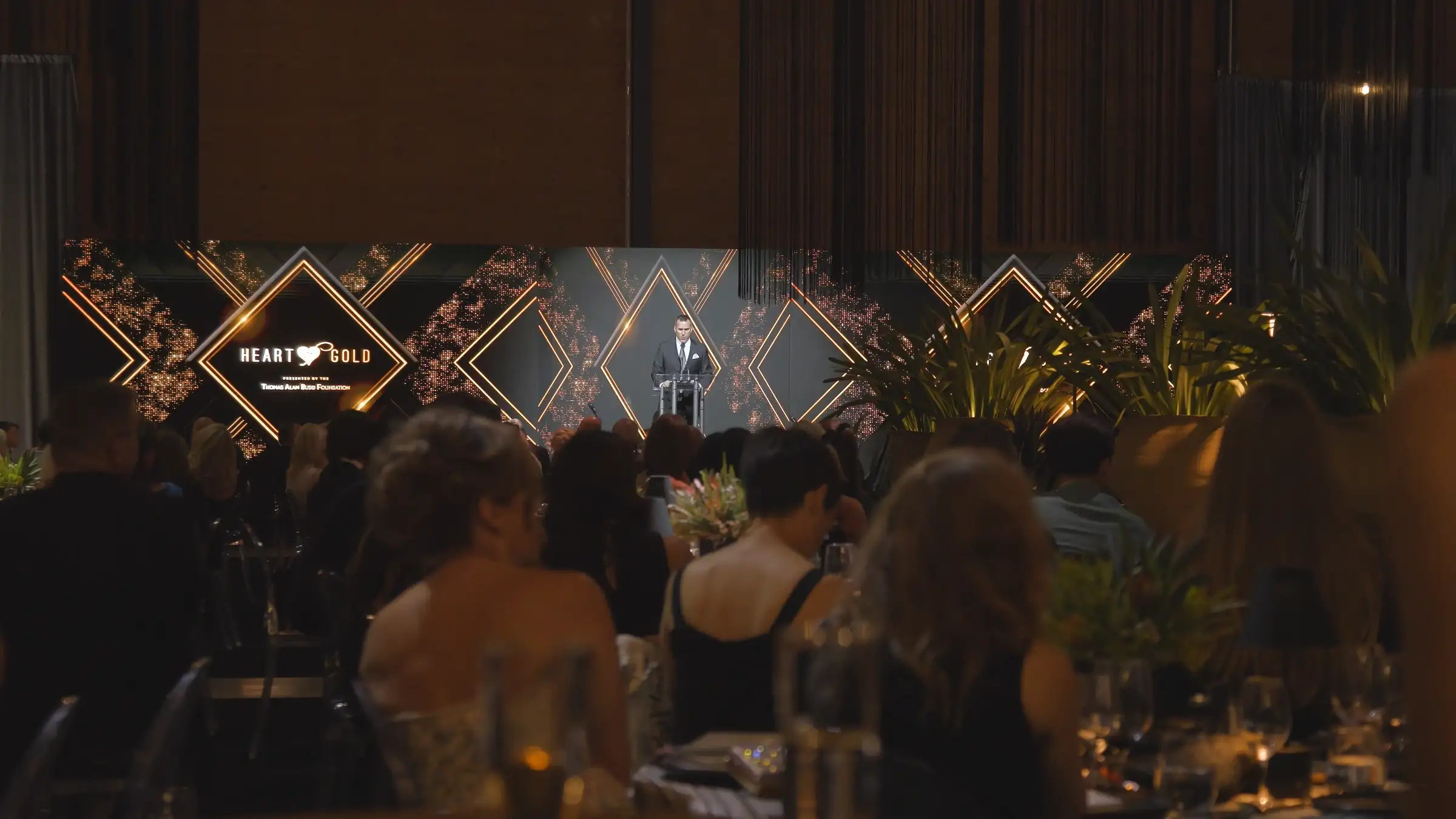
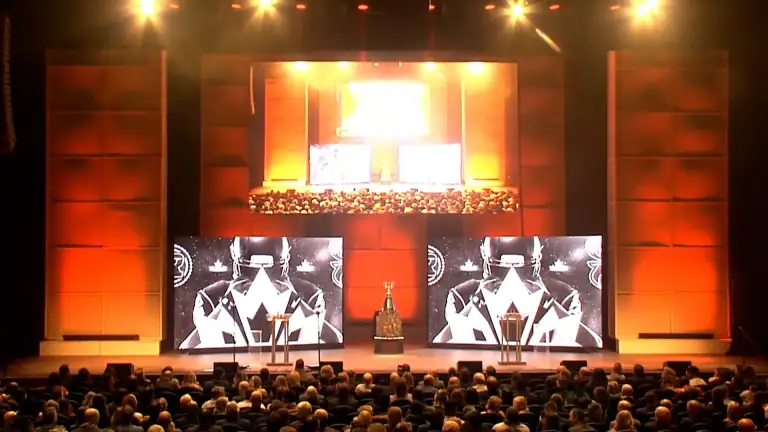
The CFL Awards is the opposite: a broadcast-grade show with a scripted cue list, video playback on every segment, a live audience in a theatre, and trophies going to people whose reactions the cameras have to catch. Two crews, two rooms, one week, and a hard stop on the Sunday.
The league ran the week. SW ran the technology in both rooms.
02 / The Work
A Broadcast Set. A Plain Press Room.
Five video surfaces in the awards room
LED panels flown either side of the proscenium carrying the bilingual Gala LCF identity, a landscape screen centre, and two further screens at stage level for player and trophy content. A line array flown centre for the house and a bar of moving heads over the playing space.
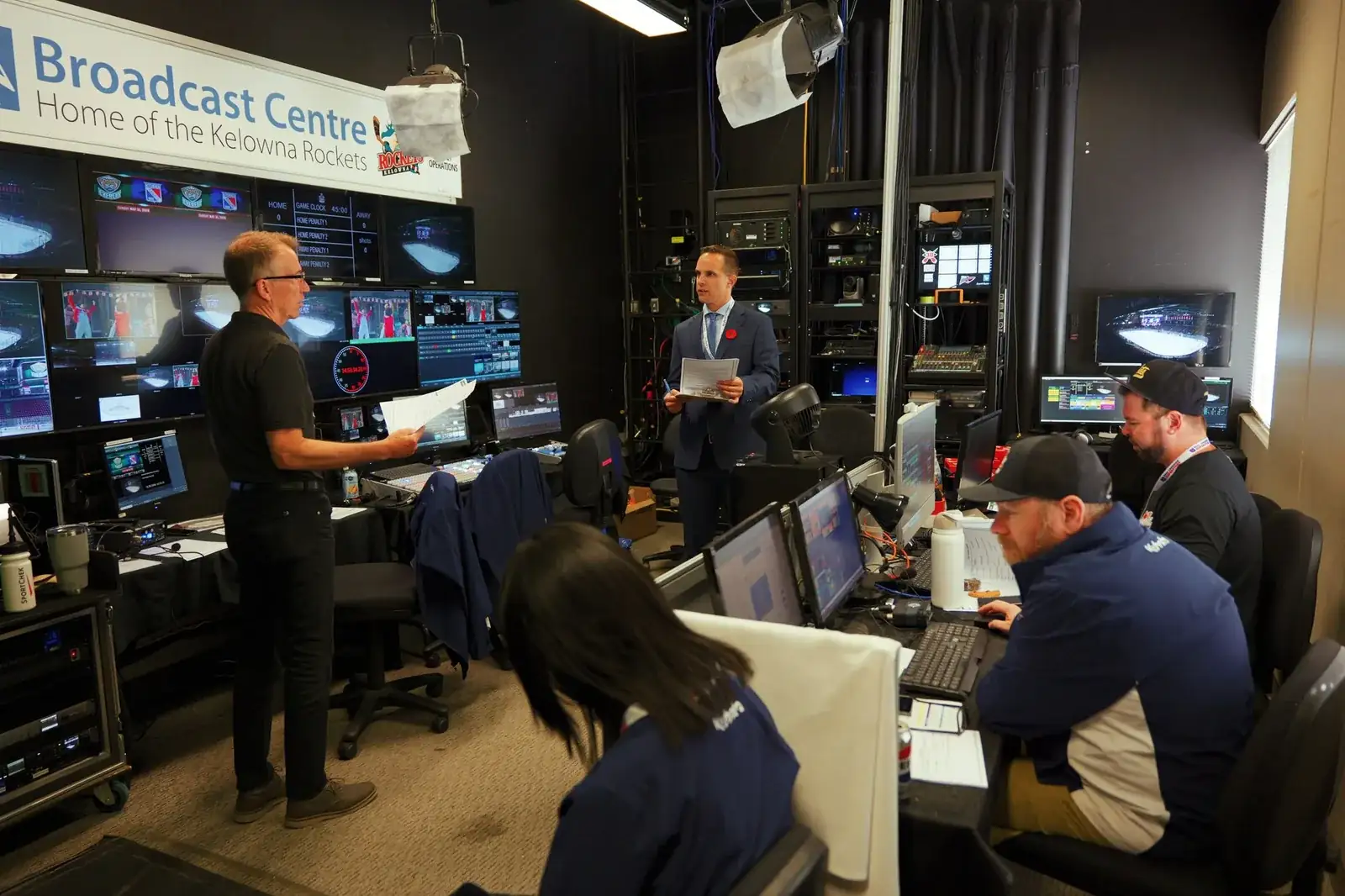
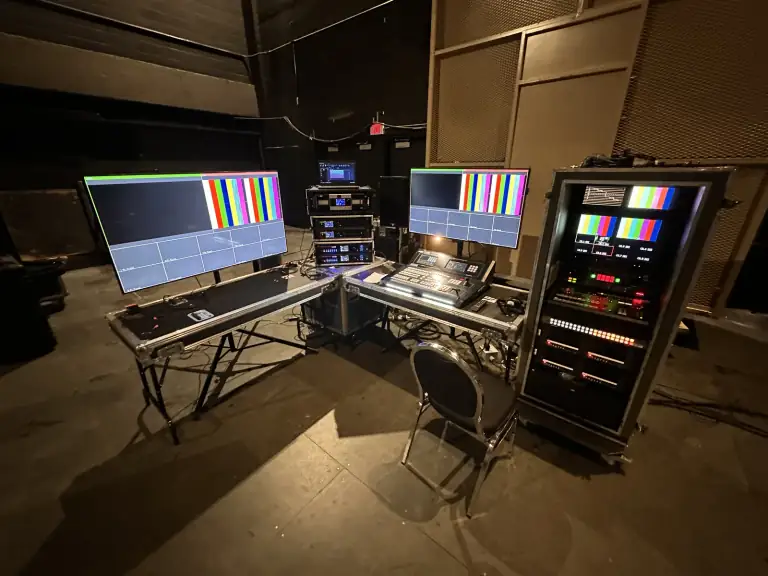
A full broadcast control position, built backstage
A video switcher with its own multiviewer carrying every source in the building, an intercom rack, audio, playback machines, and a scripting position running acceptance-speech content to the show caller. An awards show is a cue list. Everything else is scenery. When a name is read out and the wrong package rolls, there is no second take and the room knows immediately.
The news conference, built for the opposite outcome
A riser stage, a truss structure framing the backdrop in the shape of a goalpost, drape upstage, and flat panels either side for content. A room designed to disappear behind the people speaking in it.
The week, in the order it happened
The awards room was fully dressed and lit first. The control position was then built and running rehearsal content. The game came after.
03 / The Outcome
Two Rooms Ready Early. Neither Was the Story.
Both shows ran. The awards went to air on a cue list built in that room, and the news conference did the plain thing it needed to do and got out of the way.
The championship, the week, and Saskatchewan's turn at hosting belong to the league, the host committee, and the province. SW's part is that two very different rooms were ready early and neither of them was the story.
Two shows. Two rooms. Both ready early.
The week belongs to the league.
The rooms were ours.
Planning something like this?
Every event has a start time.
We make sure the technology is ready when it does. Tell us the date, the room, and what has to happen in it. You get a plan and a number back, from the people who would run it.
One of more than 4,000 events SW runs a year.