Three Sites. One Morning. Up Before Dawn.Off the Street by 8 pm.
- 3Sites: park start, street finish, public plaza
- 2Gantries built to signed Schedule B engineering
- 05:15 to 09:00Start line scheduled, Pacific
- 20:00Finish line clear of the street
01 / The Brief
Three Sites for One Morning. None of Them a Room.
A conference is one building for three days. This is three sites for one morning, and none of them is a room.
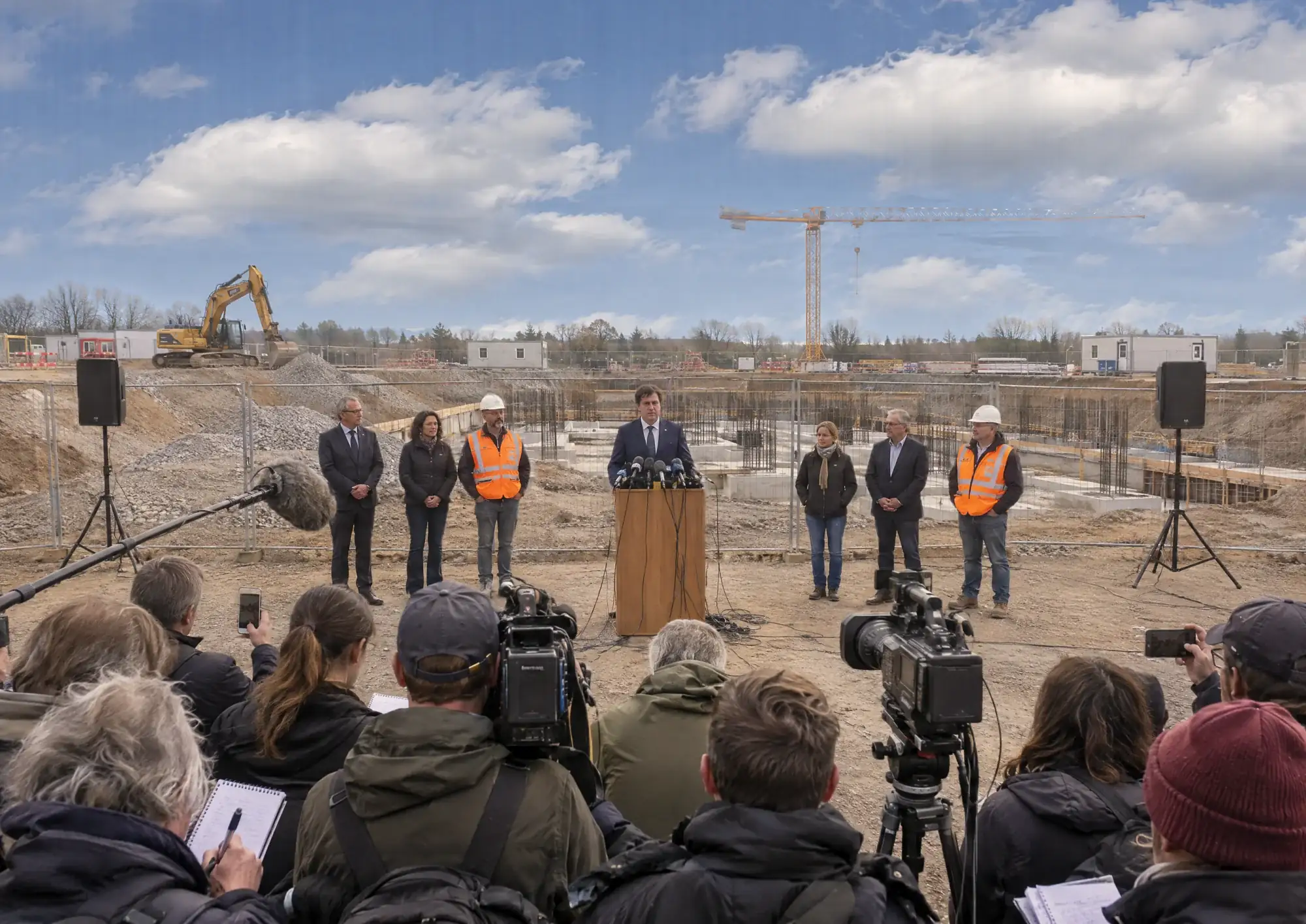
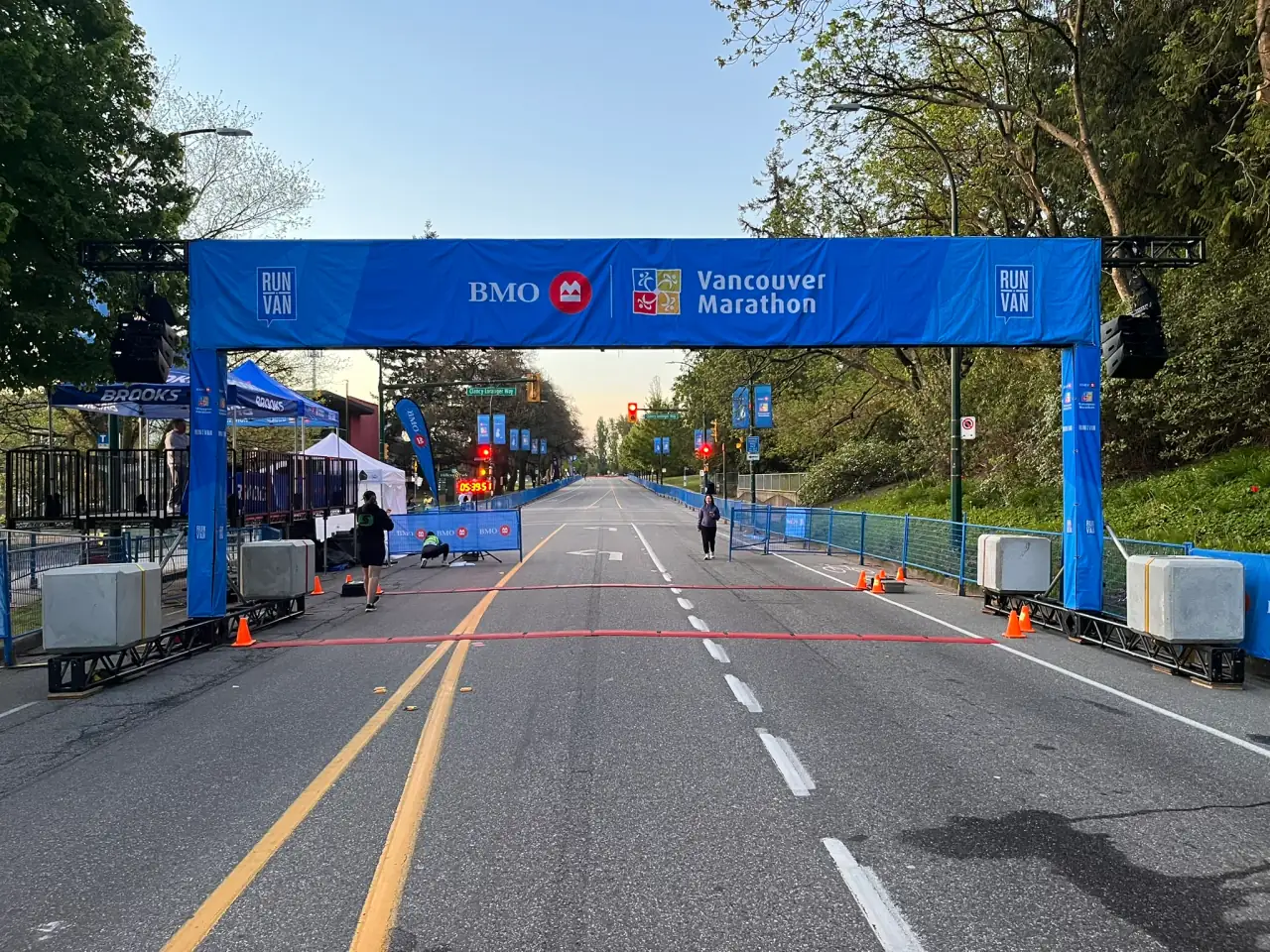
The start line is in a park. The finish line is a downtown street that has to reopen to traffic the same evening. The plaza is a public square carrying the crowd after the race. Each needs its own structure, its own audio, its own crew and its own way in and out, and the road closures that make the event possible are the same road closures that make getting trucks to it difficult.
And a gantry over a public street is not a stage. It is a temporary structure over people's heads on city land, which means it is an engineering submission before it is a build.
SW built and ran the three sites the race passes through.
02 / The Work
Three Builds. Signed Engineering. One Clear Street.
Three sites, three builds, one morning
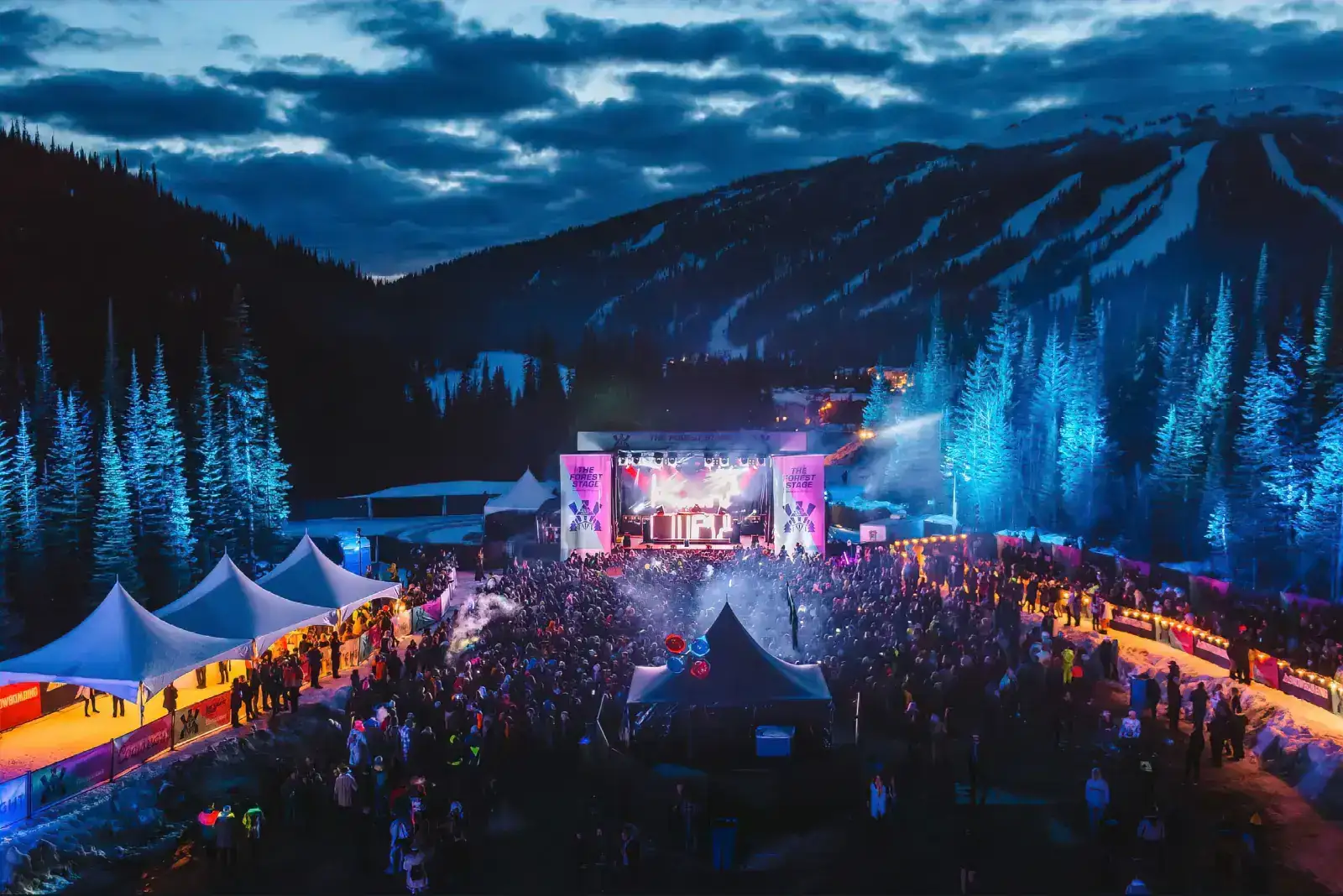
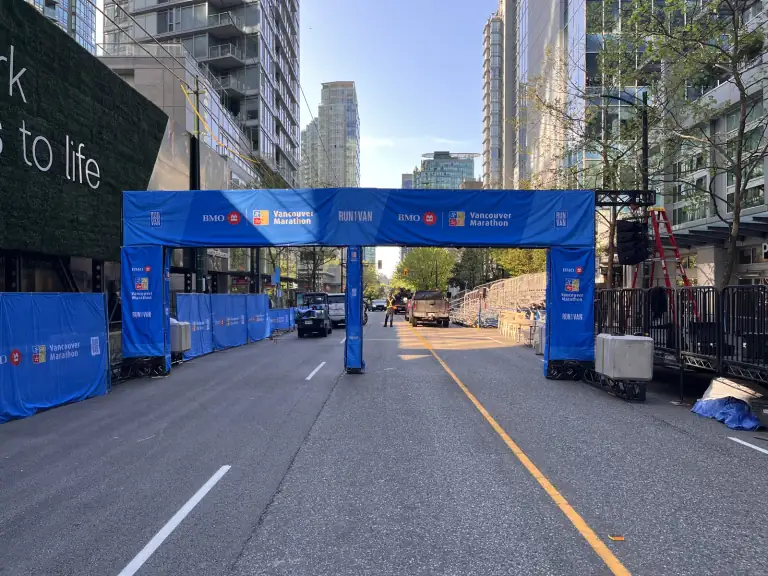
A start line at Queen Elizabeth Park, a finish line on West Pender Street, and Jack Poole Plaza. SW set up, ran and struck each as its own job, with its own crew and its own post-show report.
Gantries built to signed engineering
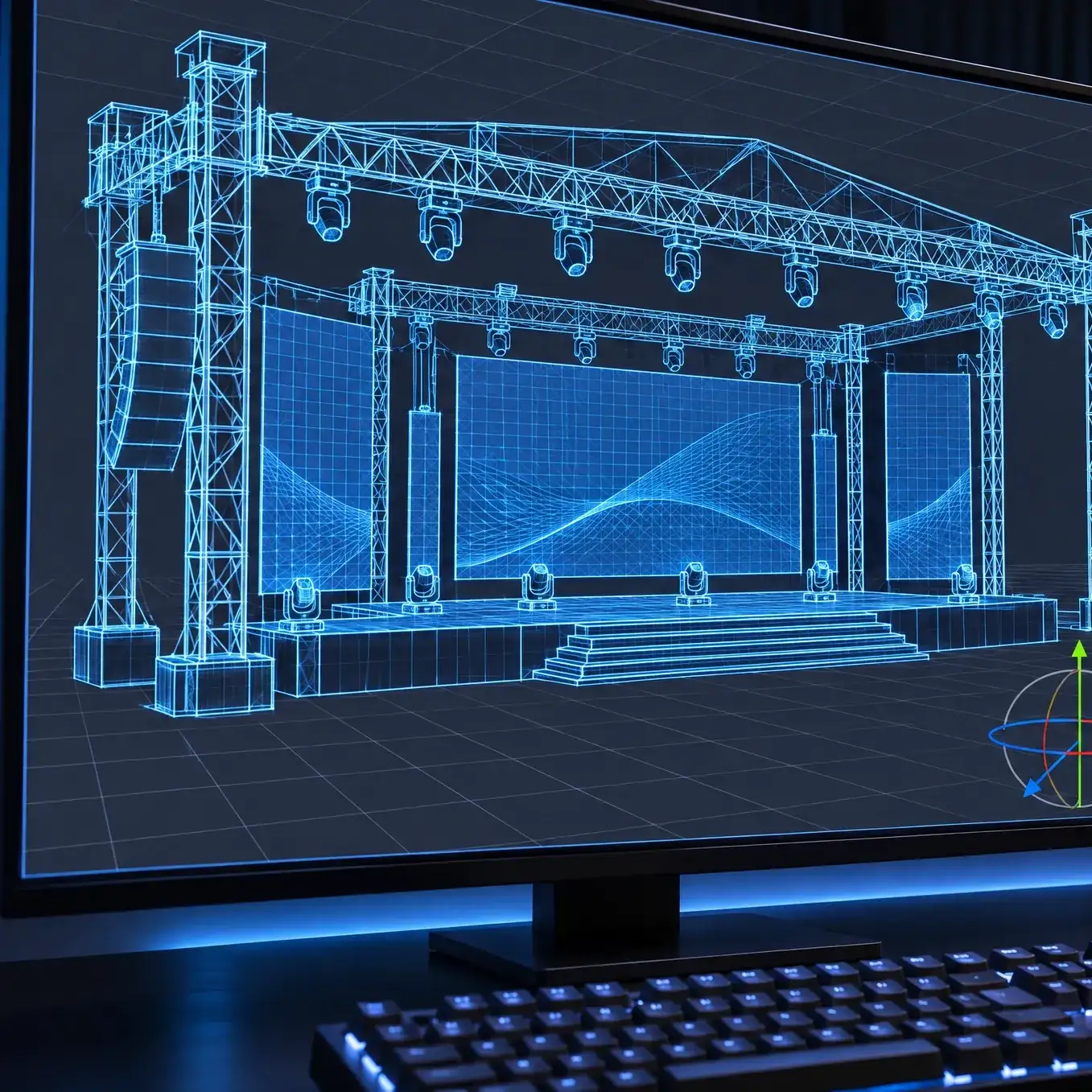
The start and finish gantries went in under a Schedule B professional-of-record submission, endorsed under the discipline scheme of the Architectural Institute of BC and the Association of Professional Engineers and Geoscientists of BC. A truss gantry over a public street is a permitted structure, and this one carried the paperwork that says so.
Wind-resistance engineering, on a week's notice
A week before load-in the plaza venue asked for wind-load engineering on the LED wall structure. It was produced and cleared before the build went ahead.
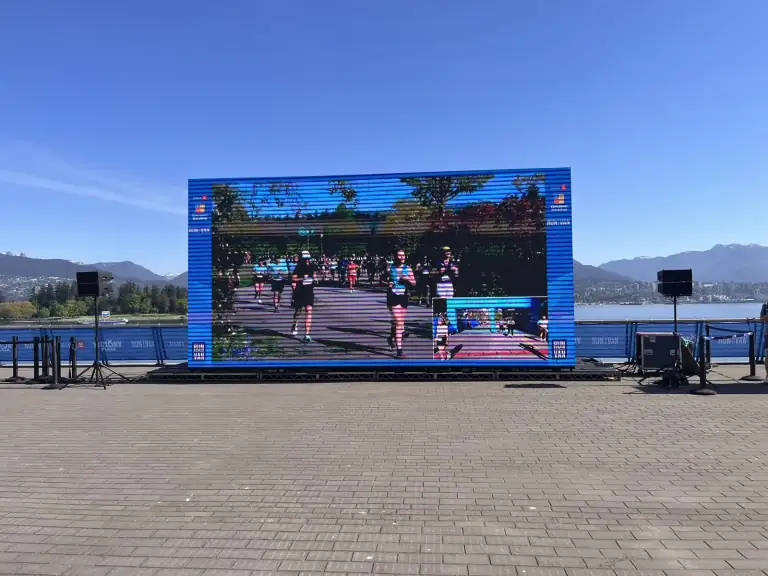
An LED wall, ground-supported on a public plaza
A Unilumin wall at Jack Poole Plaza, standing on the ground rather than hanging from anything, because a public square has nothing to hang from.
Audio at three sites with three different problems
A start-line system, a flown audio system on the finish gantry, and a separate system on the plaza, each built for a site that is not a venue.
A stream on a hard line
The plaza stream ran on wired internet rather than wifi.
Comms across a street, and cable mats
A repeater system covering the finish line, with cable protection laid where runs crossed public walking paths.
Off the street in an hour
The finish line came down and the street was clear by 8 pm, inside the reopening window rather than holding it up.
03 / The Outcome
Three Sites. One Morning. Inside the Reopening Window.
Three sites were built, run and struck for a single morning, the two street gantries carried signed structural engineering, and the finish line was off West Pender inside its reopening window.
Three sites. Two engineered gantries. Off the street by 8 pm.
A gantry over a public street is not a stage.
It is a temporary structure over people's heads on city land.
Planning something like this?
Every event has a start time.
We make sure the technology is ready when it does. Tell us the date, the room, and what has to happen in it. You get a plan and a number back, from the people who would run it.
One of more than 4,000 events SW runs a year.